The Parish House of Petare
Discover the Parish House of Petare, built in 1786: its colonial architecture and religious treasures.
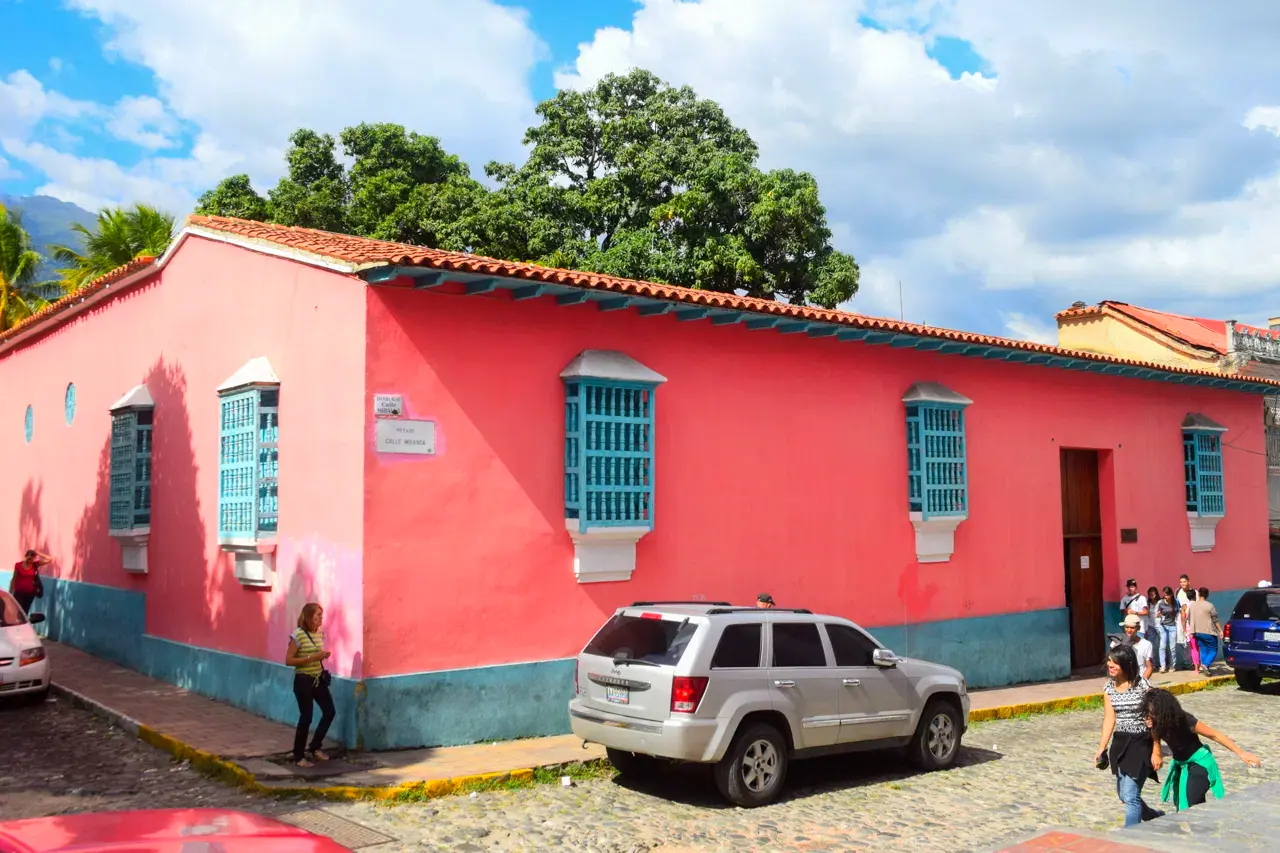
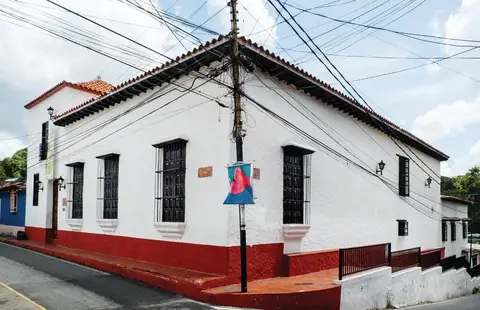
The Casa Parroquial (Parish House) on Plaza Sucre was built in 1786 by Antonio Xedler, then the town's corregidor (magistrate). Xedler used it as his family home, and on his death the property passed to his nephew, José María Xedler, the first priest born in Petare and its last doctrinal priest. He later donated it to serve as a residence for future parish priests.
In 1998 the house was restored by parish priest Gaspere Salerno, who not only rebuilt its structure but also paid special attention to recovering its furniture and a dozen forgotten religious images.
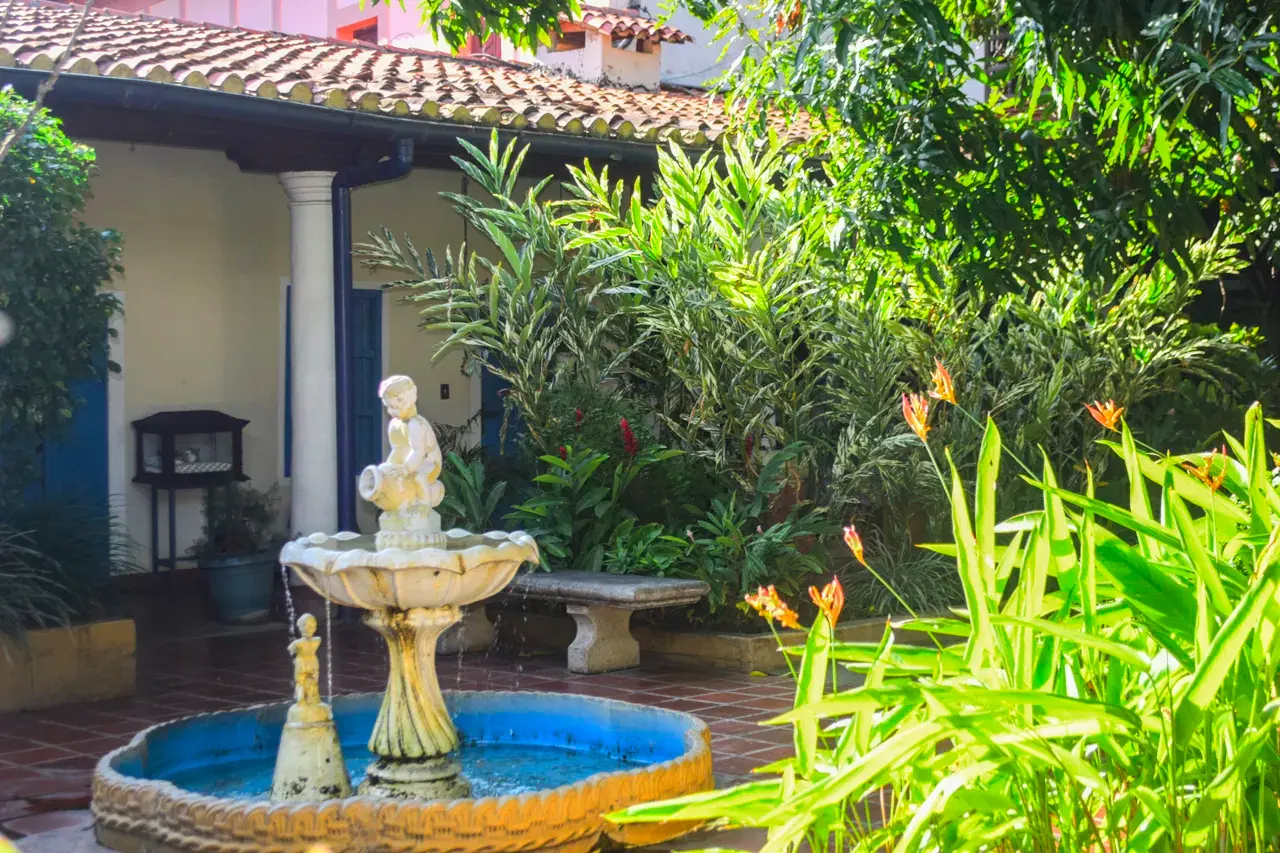
The Parish House of Petare preserves the typical features of an 18th-century Venezuelan home. Its notable spaces include the zaguán (entrance hall); a central courtyard with fruit trees and ornamental plants, surrounded by an inner corridor leading to the rooms. The living room and main bedroom face the front, while the dining room, kitchen and service areas are at the back. The walls are made of rammed earth (tapia), and the roofs of wood and clay tiles. The façade features large windows with wooden grilles, ledges and drip moldings. The house has two floors and a total area of 2,000 square meters.
Among its heritage treasures are pieces of hammered silver, such as large amphorae and the processional throne of the Child Jesus, made by Pedro Fermín Arias, a renowned silversmith who worked in embossed and chased silver in the late 18th century. The throne holds a replica of the Child Jesus, whose main image stands on the high altar of Petare's church. Other valuable sculptures include full figures of the apostles John, Peter and James, as well as half-length figures of Veronica, Mary Magdalene and Saint Michael the Archangel. Also notable are two oval high reliefs in polychrome cedar depicting the Souls in Purgatory, probably made by an 18th-century artist whose identity remains unknown.
The Parish House also holds an important historical archive dating back to 1704, when the town became a parish. The first register was started by Petare's first parish priest, the Franciscan Buenaventura de los Ángeles. The archive includes baptism, marriage and funeral records, government documents and the inventories of the Church of Dulce Nombre de Jesús.
Related video: To learn more about the Parish House of Petare and its place in Venezuelan history, we recommend this video with some additional images: