History of Petare: From Its Founding to Today
Discover the history of Petare, from its colonial founding to today: milestones, social transformations and its legacy in Caracas.
In this article 5
Petare is one of the largest and best-known neighborhoods in Venezuela, located in the Sucre municipality of Miranda state. Part of the Caracas metropolitan area, it has a rich and complex history. Over the centuries, Petare has witnessed major social, political and cultural transformations that have made it an emblematic place in Venezuelan history. In this article we explore the history of Petare from its founding to the present day, highlighting the key events and important figures that have shaped its development.
The Founding of Petare: Origins and Early Years
Petare was founded on 17 February 1621 under the name Dulce Nombre de Jesús de Petare. It was founded by Captain Pedro Gutiérrez de Lugo and Father Gabriel de Mendoza, at a time when the region was inhabited by the Mariches indigenous people. Known for their resistance to Spanish colonization, the Mariches were eventually subjected to the religious conversion and control policies imposed by the colonizers.
An interesting fact: the name Petare comes from the Carib words "pet" (face) and "are" (river), spoken by the Mariches, meaning "facing the river" — a clear reference to the local geography, set between the El Oro ravine and the Caurimare and Guaire rivers. Petare's strategic location, in a mountainous area east of Caracas, was key for the Spanish, who wanted to establish a control point in the region.
From the start, Petare was designed as a pueblo de doctrina (mission town), one of the communities the Spanish created to evangelize and control the indigenous population. In its early years, Petare's economy was based on agriculture and sugar cane production, sustained by the labor of indigenous people and enslaved Africans.
Colonial Development: 18th and 19th Centuries
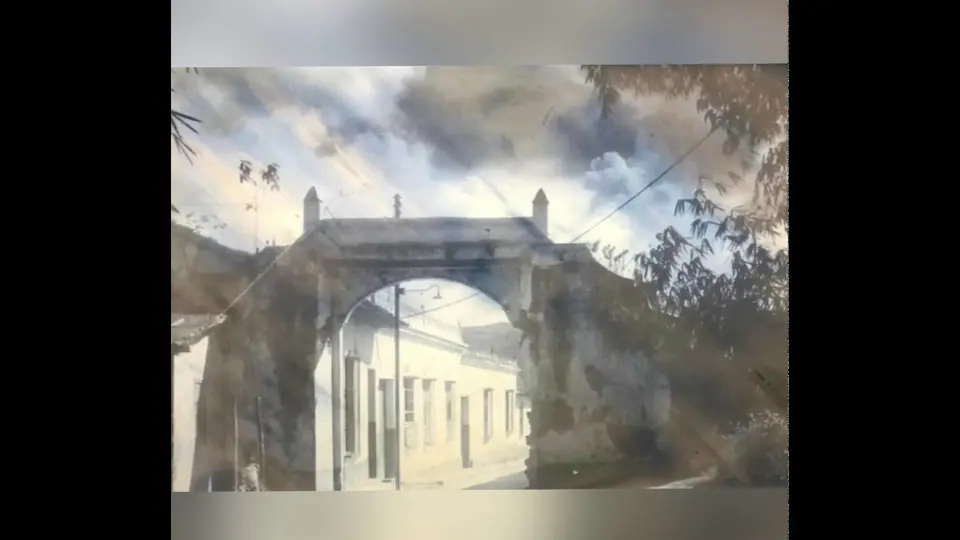
During the 18th century, Petare continued to grow as an agricultural community, with the expansion of haciendas growing cacao, coffee and sugar cane. These activities turned Petare into an important productive center in the region. A significant milestone of this period was the construction of the Church of Dulce Nombre de Jesús, which became a religious and cultural center of great importance for the people of Petare. Still standing today, the church is one of the oldest examples of colonial architecture in Caracas.
The 19th century was marked by Venezuela's independence movements, and Petare was no stranger to them. Its proximity to Caracas made it a strategic location during the wars of independence. Simón Bolívar and other independence leaders used the area as a meeting and planning point. Skirmishes and troop movements in Petare played a key role in the country's fight for independence.
Another interesting fact is that, at the time, the royal road connecting Caracas with the East ran through Petare, making it a key point for trade and troop movements.

The 20th Century: Urbanization and Population Growth
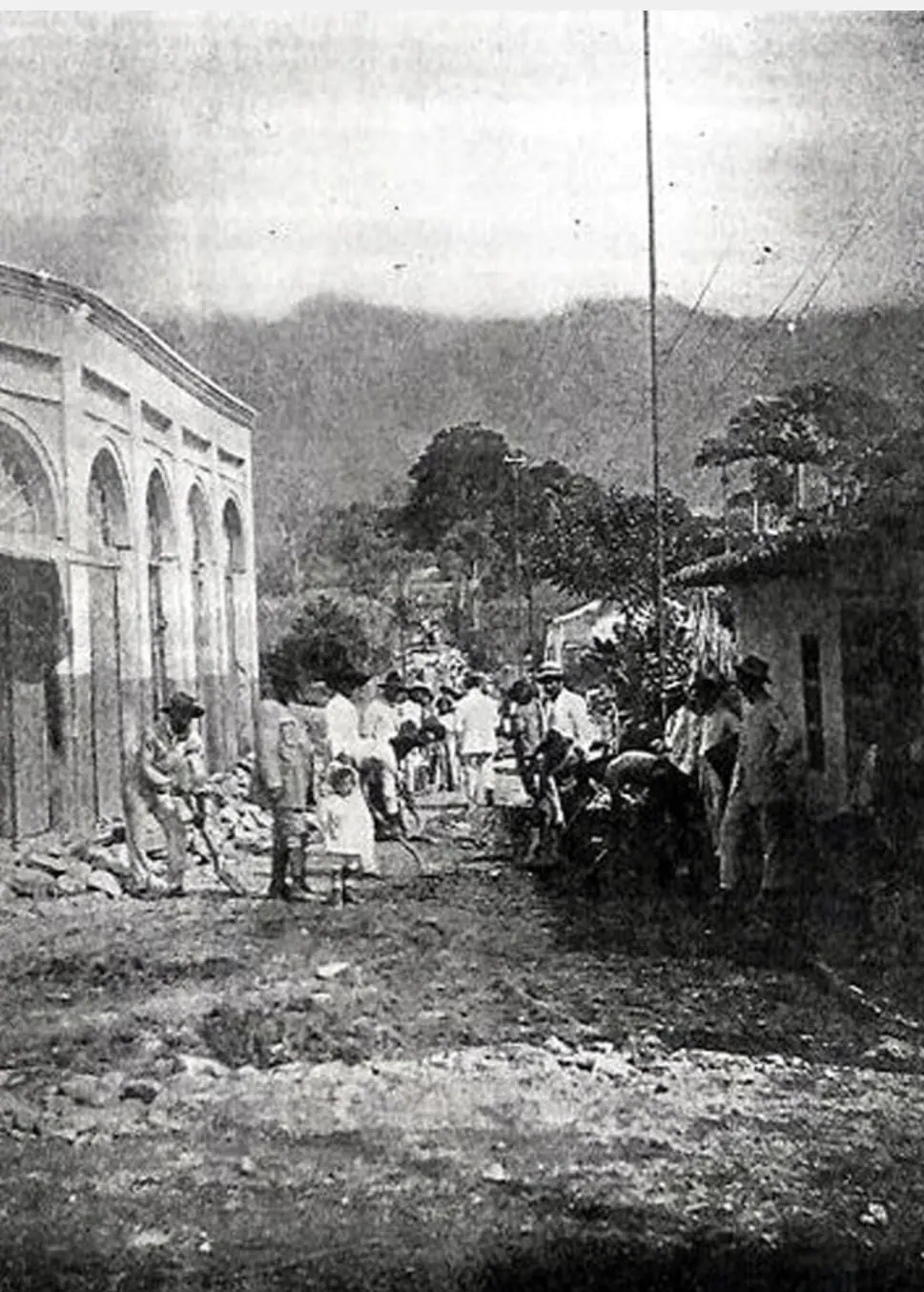
The 20th century brought drastic changes to Petare. As Caracas began to expand, Petare — once a small farming town — became one of the most densely populated areas in Venezuela. This growth was driven mainly by internal migration, as people from different regions of the country moved to Petare in search of better economic opportunities.
During the 1940s and 1950s, Petare went through rapid urbanization. The old farming haciendas were replaced by barrios and housing developments. Petare's population grew exponentially, but this growth also brought significant challenges in terms of infrastructure, access to basic services and urban planning.
A defining feature of this period was the construction of the Francisco Fajardo Highway (in October 2020 its renaming to Gran Cacique Guaicaipuro was announced), which connected Petare with the rest of Caracas and further integrated it into the metropolitan area. However, the lack of proper planning led to congestion, inadequate housing and a shortage of public services, which remain persistent challenges for the community.
Petare Today: Challenges and Resilience
Today, Petare is known as one of the largest barrios in Latin America, with a population of over a million people. It is a symbol of Venezuela's contrasts: on the one hand, it faces significant challenges such as security problems, poverty and limited access to basic services; on the other, it is an example of resilience and community.
Local communities have developed many initiatives to improve quality of life in Petare. One example is the work of NGOs and community organizations running educational, cultural and health projects. Petare is also a place of great cultural richness, with an artistic and musical tradition kept alive by its residents.
A notable trend is the growth of street art in Petare, with murals and graffiti that tell the story and struggles of the community. This movement has turned parts of Petare into true open-air museums that attract tourists and visitors curious about this form of cultural expression.
Summary
Petare is a place full of history and contrasts. From its founding in the 17th century as a small mission town to its evolution into one of the most populated barrios in Venezuela, Petare has witnessed many of the key events that shaped the nation. Today, despite the challenges it faces, Petare remains vitally important to the social and cultural fabric of Caracas. Its history, marked by the resilience and endurance of its people, is a living testimony to Venezuela's development.
Related video: To complement this article, we recommend the following video exploring the history and life of Petare: