Culture and Traditions of Petare: A Journey Through Its Folklore
Explore the culture and traditions of Petare: folklore, customs and celebrations that reflect its historical richness.
In this article 7
- The Child Jesus of Petare: Patron Saint and Protector
- Religious Festivals: Holy Week and the Virgen del Carmen
- The Tamunangue: a dance with African roots
- The Cristo de la Salud: protector and healer
- The Dancing Devils: a spectacle of color and tradition
- The Parranda de San Pedro: a celebration of faith and fun
- Summary
Petare is more than a barrio; it is a melting pot of culture and traditions that reflect the history and diversity of Venezuela. With a population that has grown and changed over the centuries, Petare has kept its traditions and customs alive, many of which have deep roots in the colonial era and in indigenous and African influences.
This article takes you on a tour of Petare's most significant cultural traditions — a journey through its folklore, its celebrations and the customs that still endure.
The Child Jesus of Petare: Patron Saint and Protector
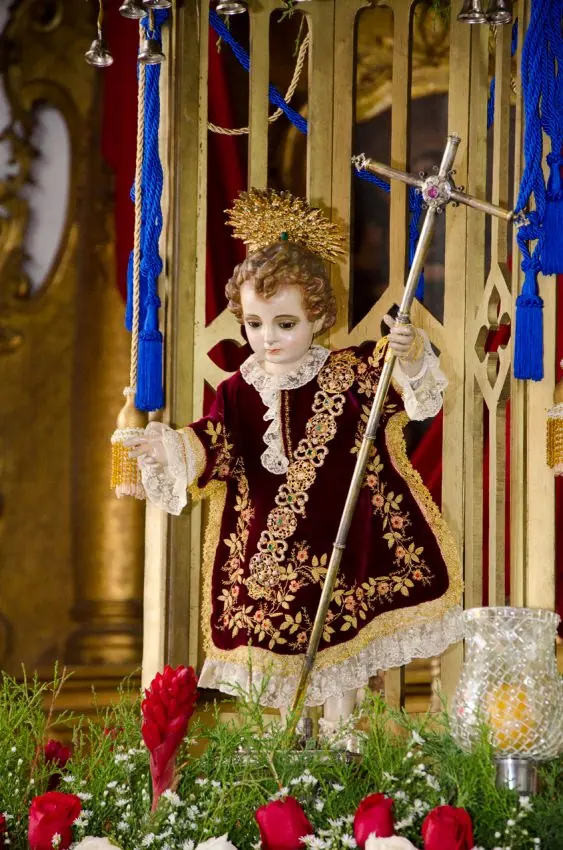
The Niño Jesús (Child Jesus), or Buen Jesús, is the patron saint of Petare, venerated by the community for centuries. The small polychrome wooden image, 70 cm tall, stands on the high altar of the Church of Dulce Nombre de Jesús. Although its author is anonymous and its origin uncertain, its feast began to be celebrated in 1646, even though the image was not officially recorded until 1713.
The patron saint festivities in honor of the Child Jesus are held on the last day of January. During the celebration, neighbors and the parish priest organize a solemn mass in which the image is placed on a large table decorated with flowers and candles. The image is then carried in procession twice around the square, accompanied by parishioners and a band. At the end of the procession, the Child Jesus is returned to his niche.
In the past, the celebration also included baptisms, first communions, toros coleados (a Venezuelan rodeo sport), beauty contests, float parades and band concerts, turning the event into a real party for the community.
Religious Festivals: Holy Week and the Virgen del Carmen
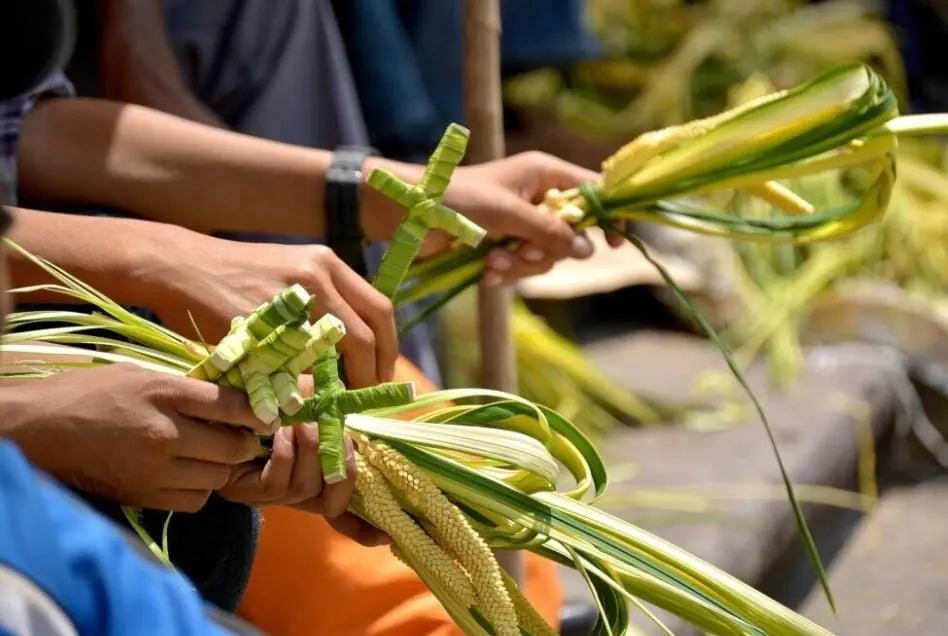
One of Petare's most deeply rooted traditions is the celebration of Holy Week (Semana Santa). During this week, the streets of Petare fill with religious fervor, with processions that re-enact the Passion of Christ. Parishioners carry religious images through the streets, and community participation is massive. Holy Week in Petare brings the community together and strengthens social ties, reflecting the deep religiosity of many of its residents.
Another important celebration is the feast of the Virgen del Carmen (Our Lady of Mount Carmel), patroness of Petare. Held every 16 July, it is a central event in the community's religious calendar. The Virgin is honored with processions, masses and activities that include traditional music and dances. Devotion to the Virgen del Carmen is so strong that many families set up altars at home, decorated with flowers and candles, as a sign of faith and gratitude.

💡Fun fact: During the feast of the Virgen del Carmen, it is common to see devotees dressed in white as a symbol of purity and respect for the Virgin.
The Tamunangue: a dance with African roots
The Tamunangue is a cultural tradition rooted in African heritage and one of the most authentic folk expressions in Petare. The dance is performed mainly in honor of Saint Anthony of Padua and combines dance, music and theater. The Tamunangue includes a series of "sones", different dance styles each with its own choreography and meaning.
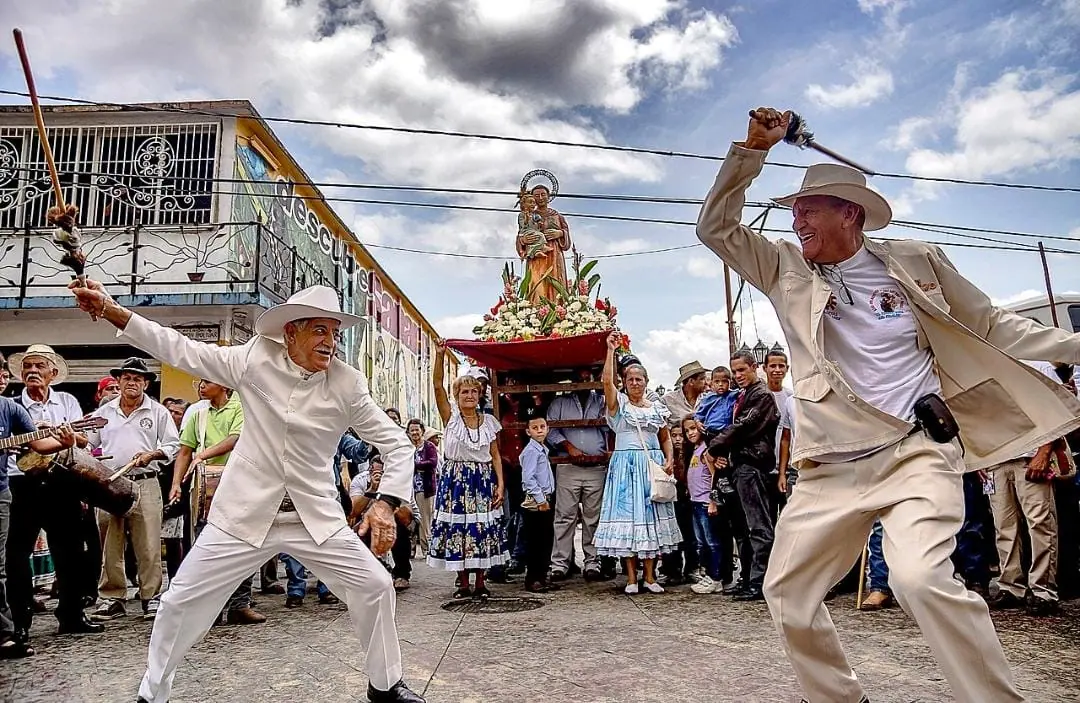
In Petare, the Tamunangue is not only an act of religious devotion but also a celebration of the African heritage that has been an integral part of the community's history. The participants, known as "tamunangueros", wear traditional clothing and play instruments such as the cuatro, maracas and drums, which set the rhythm of the dance.
💡Fun fact: Many consider the Tamunangue a form of cultural resistance that has survived for centuries and remains a vital part of Petare's identity.
The Cristo de la Salud: protector and healer
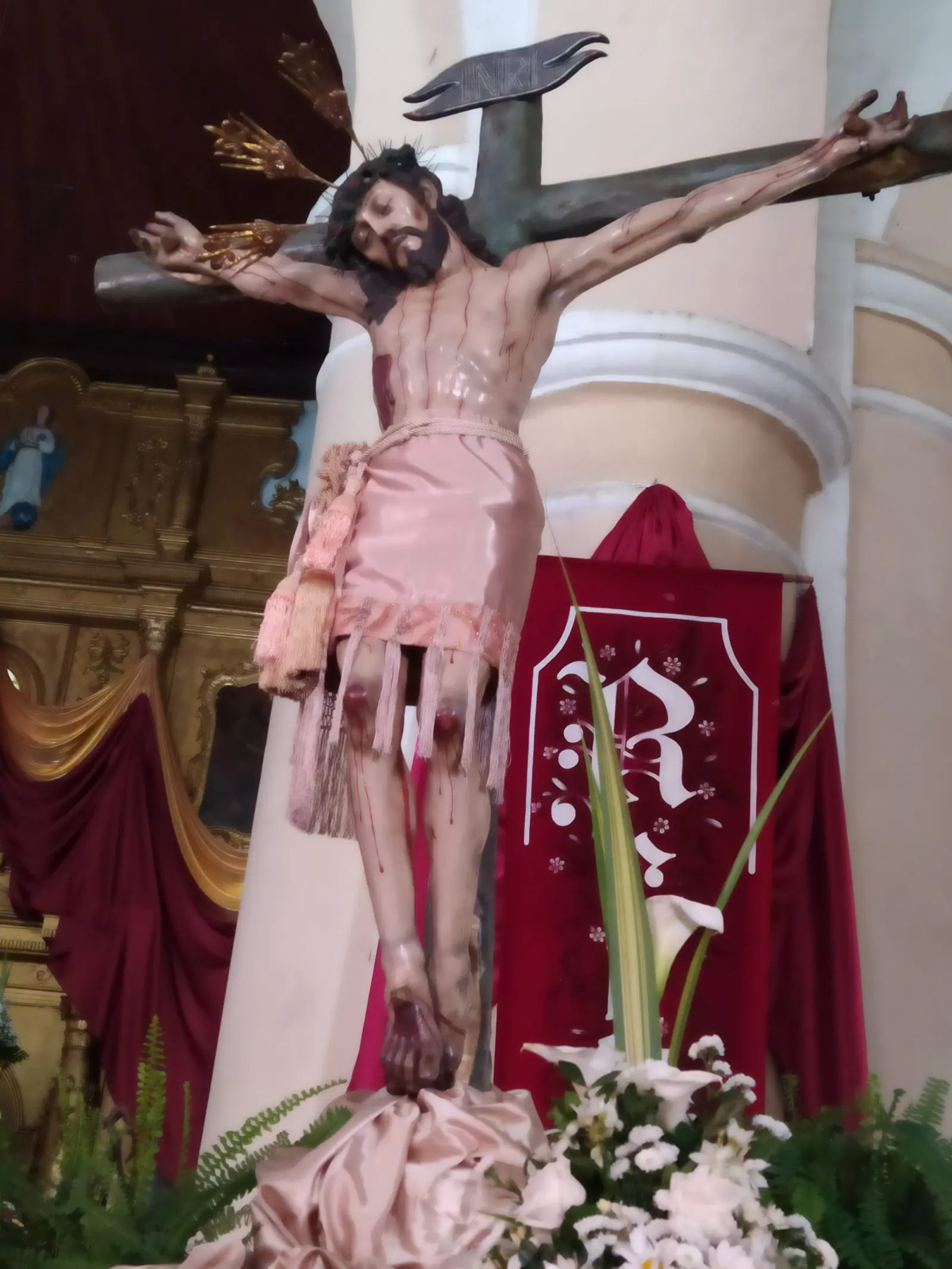
The Cristo de la Salud (Christ of Health) is one of the most venerated images among petareños, who see it as their protector in hard times and attribute healing powers to it. The first mention of the image dates back to a 1713 inventory by Bishop Francisco del Rincón, which records an image of the crucified Christ. Carved in polychrome wood, the sculpture reflects the dramatic essence of the Spanish Baroque.
Devotion to the Cristo de la Salud grew stronger in 1868, during a yellow fever epidemic that struck the region. According to tradition, the image was carried in procession on 29 February 1868, and after this prayer the plague began to recede. Since then, every year on the last Sunday of September, the image is carried in procession to remember this miracle and ask for the town's protection.
The Cristo de la Salud is also remembered for other miracles, such as the arrival of rain in 1929 during a drought and the protection it is said to have given during the 1967 earthquake, which caused little damage in Petare.
The Dancing Devils: a spectacle of color and tradition
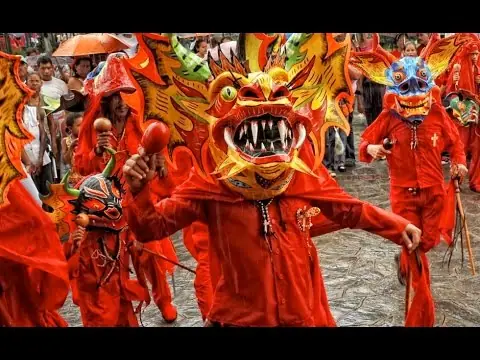
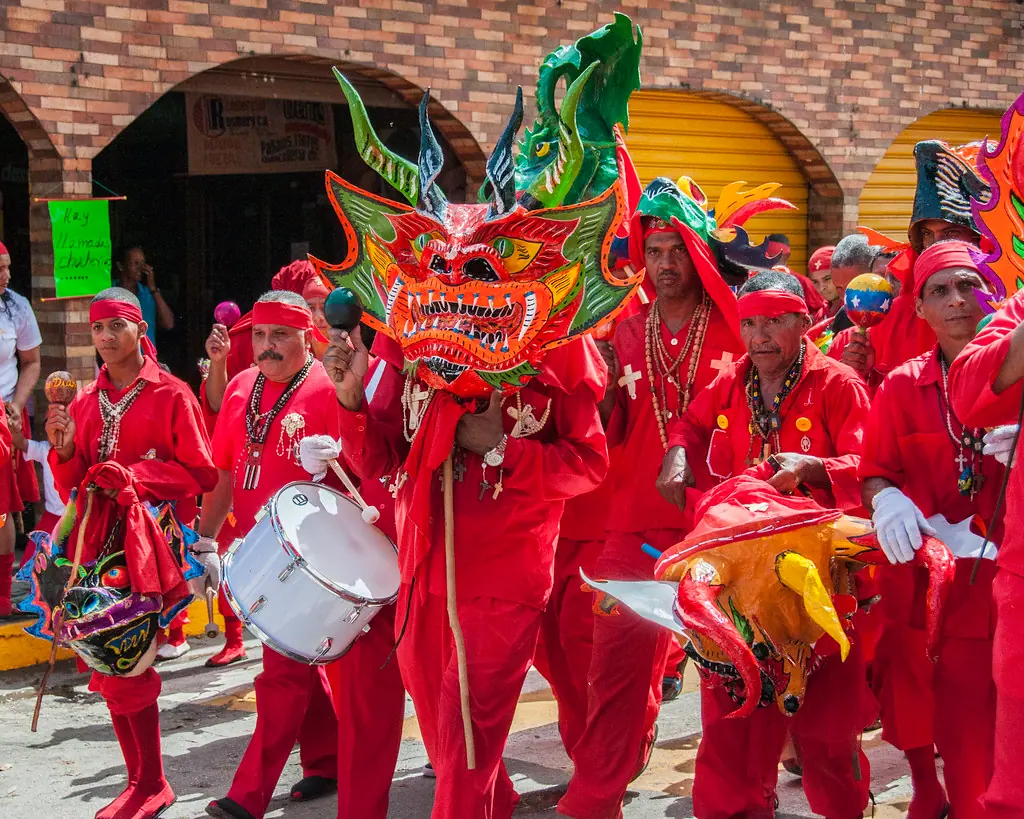
Another fascinating tradition kept alive in Petare, although not originally from here, is the Diablos Danzantes (Dancing Devils). It takes place during the feast of Corpus Christi and is one of the most striking and emblematic expressions of Venezuelan folklore. Petare's Dancing Devils, though less famous than those of Yare, are just as impressive, with their colorful masks and costumes adorned with ribbons and bells.
During the celebration, the dancers, who represent evil spirits, symbolically confront good, represented by the Blessed Sacrament. It is an event full of symbolism in which the Devils, through their dance, surrender to the Christian faith, showing the triumph of good over evil.
💡Fun fact: The Dancing Devils' masks are handmade by the participants themselves, and each mask has a unique design that reflects both the artisan's creativity and the wearer's personality.
The Parranda de San Pedro: a celebration of faith and fun
The Parranda de San Pedro is another traditional celebration in Petare, held every 29 June. It originated in colonial times in the towns of Guatire and Guarenas, in Miranda state, and blends religious devotion with popular expression. The Parranda de San Pedro honors Saint Peter, patron of farmers and workers, and is known for its colorful procession with music and dancing.
The parranderos, dressed in brightly colored outfits and straw hats, walk the streets singing and dancing to traditional music. It is an event that unites the community in joy and faith, where the religious and the festive intertwine in a unique way.
💡Fun fact: During the Parranda de San Pedro it is common to see men dressed as women, a detail that has become a tradition within the celebration and adds humor and mischief to the event.
Summary
The culture and traditions of Petare reflect its rich history and diversity. From religious festivals to dances and popular celebrations, each of these traditions tells part of the story of Petare and its people. Keeping these customs alive is not only a way to honor the past but also to strengthen community identity today.
Related video: To learn more about Petare's cultural traditions, we recommend this video showing some of the barrio's most important festivities: