Historic Places to Visit in Petare
Tour the most important historic sites in Petare: colonial churches, old mansions and monuments from its past.
In this article 6
Petare, one of the oldest and most emblematic barrios in Venezuela, is known not only for its size and population density but also for its rich history. It is home to a number of historic places that offer a glimpse into colonial Caracas and the evolution of this vibrant community. In this article we explore some of the most remarkable places you should visit in Petare if you want to immerse yourself in its history.
Church of Dulce Nombre de Jesús
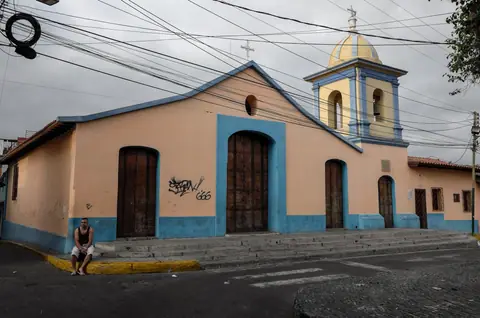
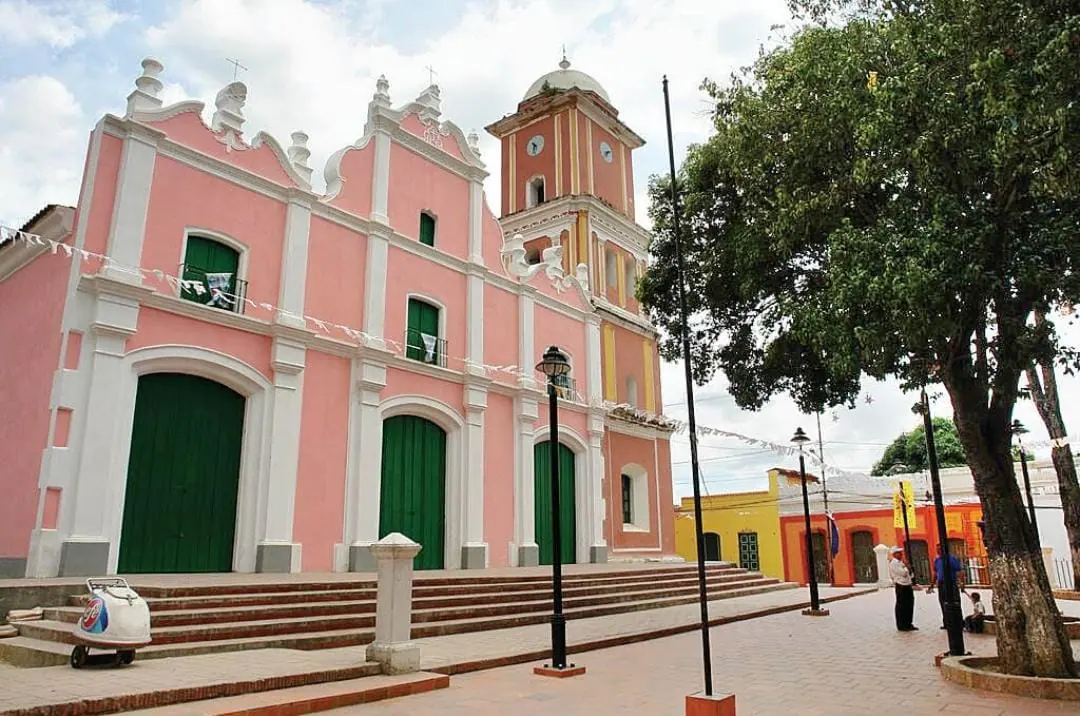
One of the most important and emblematic sites in Petare is the Church of Dulce Nombre de Jesús. Founded in 1621, the church is a testament to Spanish colonial influence in the region. Built in colonial style, it has a simple yet elegant façade and an interior that preserves original features from the period. It is one of the few examples of colonial architecture still standing in Caracas, making it a must-see for anyone interested in Venezuelan history and architecture.
An interesting fact is that the church was built in the same year Petare was officially founded, which underlines its historical importance. It has also witnessed many historic events, from royal masses to strategic meetings during the wars of independence.

➡️ Read much more about the Dulce Nombre de Jesús parish in this extended article.
Parish House and Petare Museum
Near the church stands the Parish House, a building dating back to the 18th century. Once the residence of Petare's parish priest, it is now home to the Petare Museum. The museum holds a collection of sacred art, historical objects and documents that tell the story of Petare from its beginnings to the present.
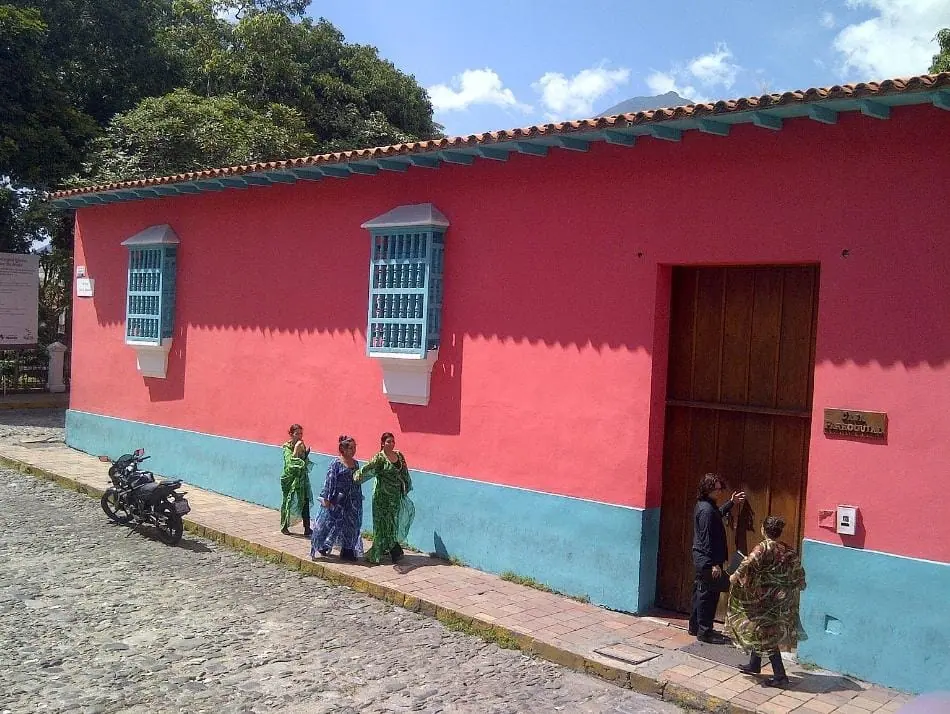
The Petare Museum is one of the best places to gain a deep understanding of the barrio's history. Its exhibits include religious artifacts, colonial documents and a room dedicated to Petare's notable people. A visit is essential for anyone who wants to learn about Petare's history in detail.
The Petare Market
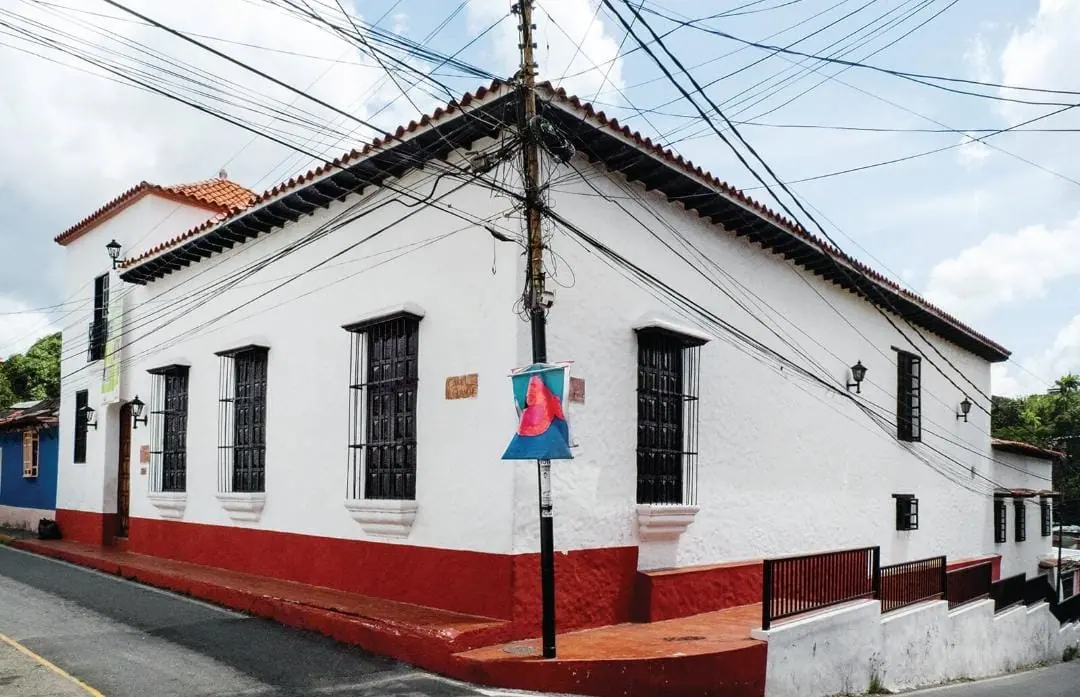
The Petare Market, in operation since the 19th century, is another historic place that reflects the social and economic evolution of the area. Although today it is known as one of the largest and busiest markets in Caracas, its history is deeply rooted in the Petare community.
Since its early days, the market has been a meeting point for residents of Petare and the surrounding communities. You can find everything from fresh produce to traditional crafts, making it an authentic reflection of everyday life in Petare.
Plaza Sucre
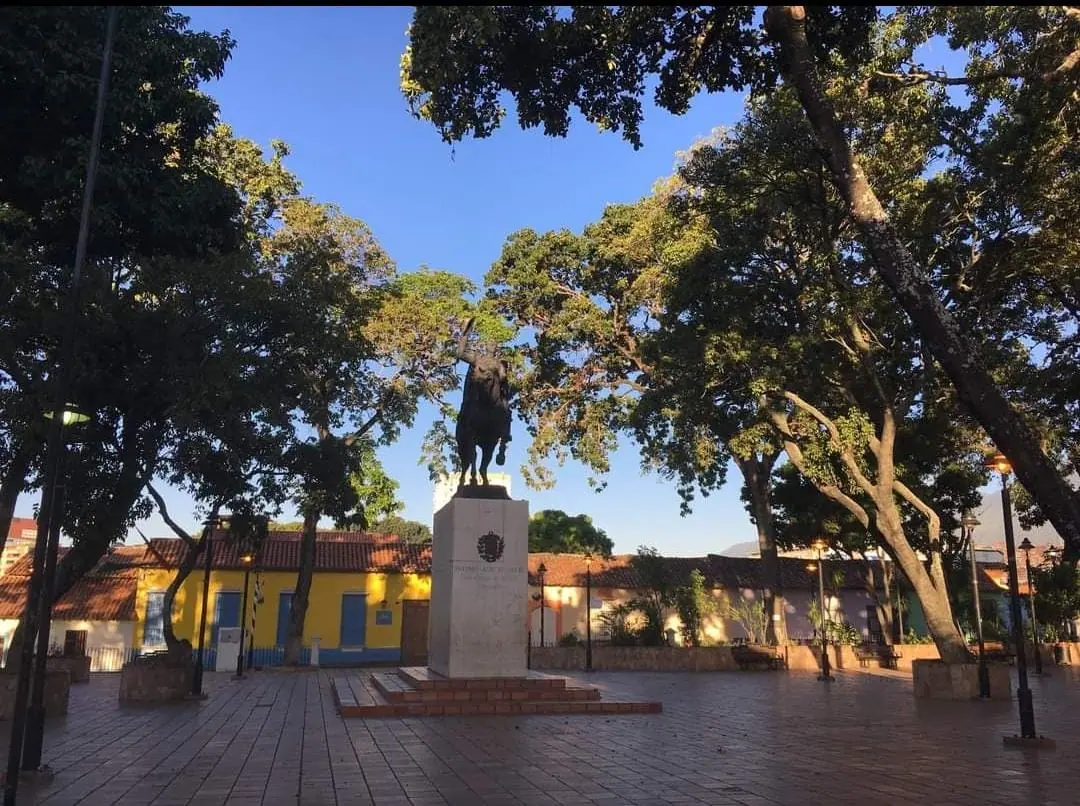
Plaza Sucre in Petare is an iconic square with a rich history that has been the center of the community's social, political and cultural life. Named in honor of the Grand Marshal of Ayacucho, Antonio José de Sucre, the square has been a central place for gatherings, recreation, popular festivals, trade and political activity since Petare's founding on 17 February 1621, when it was known as the Plaza Principal (Main Square).
In 1886 it was renamed Plaza Guzmán Blanco, reflecting local sympathy for the liberal cause and the frequent visits of the "Illustrious American". Finally, in 1901, the square was renamed in honor of Antonio José de Sucre, and sculptor Emiliano Garibaldi was commissioned to create a bust of the hero, unveiled on 9 December 1924, the centenary of the Battle of Ayacucho.
Surrounded by colonial buildings, Plaza Sucre keeps a historic atmosphere that transports visitors to another era, letting them enjoy colonial architecture and learn about Petare's importance in Venezuelan history. In 1981, under the government of Luis Herrera Campíns, the original bust was replaced by an equestrian statue of the Marshal of Ayacucho, further strengthening the historic and cultural legacy of this emblematic place.
José Félix Ribas House of Culture
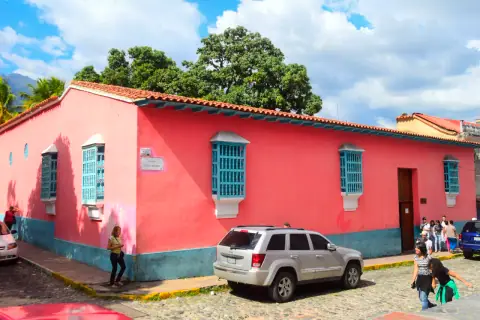
The José Félix Ribas House of Culture is a cultural center named after one of the heroes of Venezuelan independence, who also had strong ties to Petare. The 19th-century building has been restored to serve as a space dedicated to promoting culture and the arts in the Petare community.
In addition to art exhibitions, the House of Culture hosts workshops, cultural events and community activities aimed at preserving and promoting Petare's cultural traditions. It is a testament to the community's commitment to keeping its heritage alive.
Summary
Petare is much more than a densely populated barrio; it is a place full of history and culture, reflected in its monuments, squares and colonial buildings. From the Church of Dulce Nombre de Jesús to the José Félix Ribas House of Culture, every corner of Petare tells part of Venezuela's rich history. Visiting these historic places will not only teach you about Petare's past but also help you appreciate the resilience and vitality of this community over the centuries.
Related video: For a visual experience, we recommend this video that takes you on a tour of Petare's historic places: