Petare Museum
Discover the Bárbaro Rivas Museum of Folk Art in Petare: its history, legends and art collection.
In this article 4
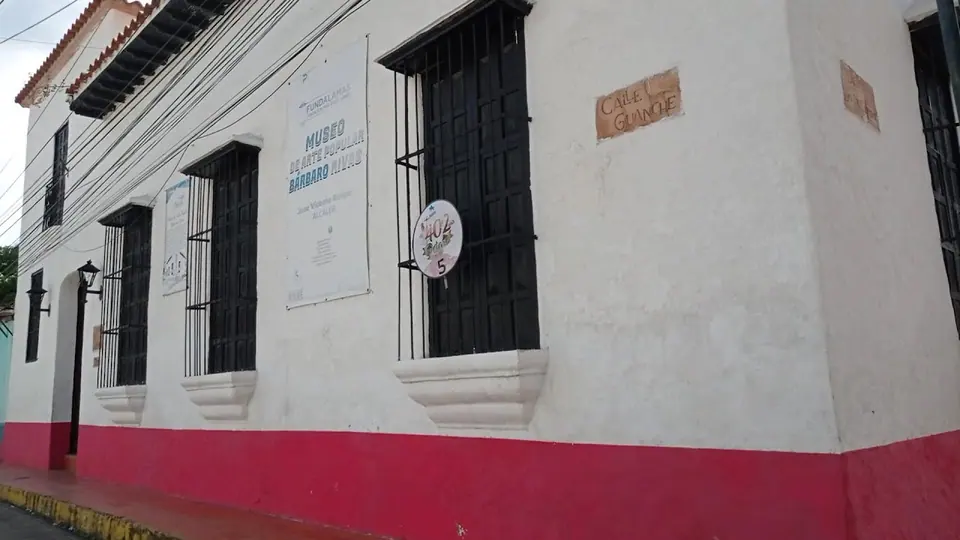
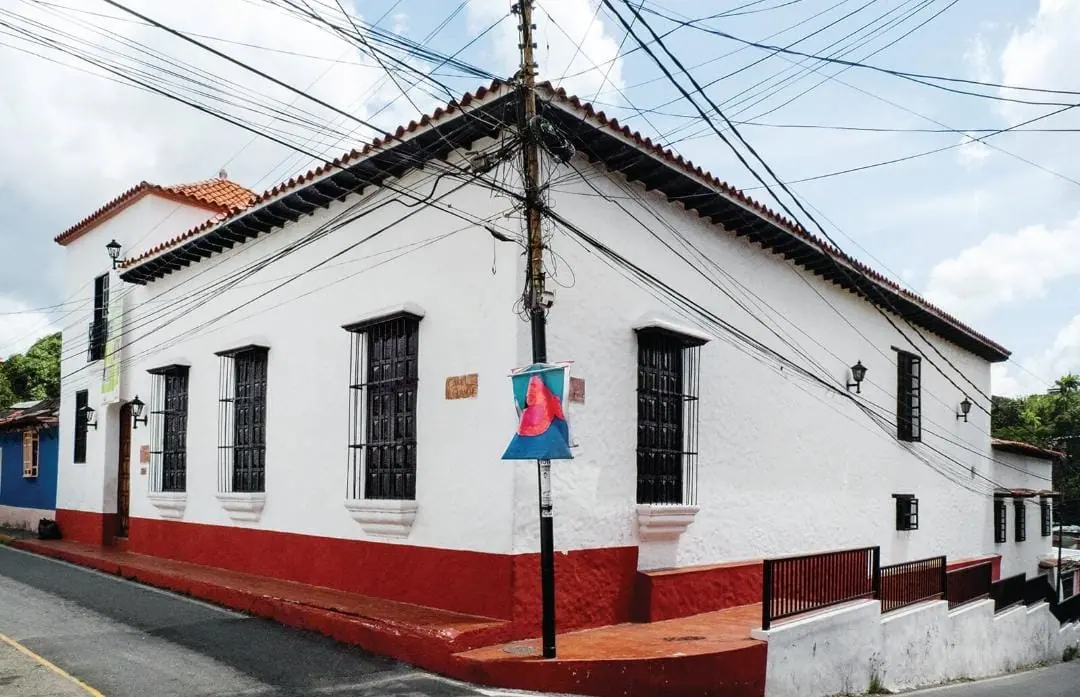
The Bárbaro Rivas Museum of Folk Art of Petare, formerly known simply as the Petare Museum of Folk Art or Petare Museum, is a cultural institution that preserves and promotes Venezuelan folk art. Housed in a historic late-18th-century mansion, the museum has been restored to become a meeting place for artists, critics and art lovers. Its history is deeply connected to Petare's roots, and its architecture reflects the cultural richness of the period in which it was built.
Below are the key aspects of its history, the legends surrounding it and its architecture.
History of the museum
The museum is housed in a beautiful mansion dating from the late 18th century. It was originally built by the Clemente del Valle family, to which Vice Admiral Lino de Clemente y Palacios, a hero of Venezuelan independence, belonged. By 1820 the property belonged to the Saltrón family, who rented it to the Petare town council.
The house was later bought by the siblings Manuel, Antonio and Concepción Muñoz, known for their generous contributions to the community. In 1864, Juan de Dios Guanche bought the property and founded the Petare School of Arts and Crafts there. The last owners of the house were members of the Monteverde family.
The museum's legend
After a period of neglect, the mansion became known as the "House of the Dead Man", because of legends about a young soldier who was said to wander its rooms making eerie noises. Townspeople also remember that many tried to dig for an "entierro" — money buried underground in times when there were no banks.
Restoration and founding of the museum
In 1983, the Municipal Council of the Sucre District decided to rescue and restore the house to turn it into a museum dedicated to folk art. The project was led by the José Ángel Lamas Foundation, and the museum opened on 22 January 1984. Since then it has focused on preserving and promoting folk art, becoming a meeting point for artists, critics, students and art lovers.
Its collection includes works by important artists such as Bárbaro Rivas, Cruz Amado Fagúndez, Francisco Rodríguez Rivas, Daniel Volcán, Elsa Morales, Miguel Von Dangel, and Apolinar and Luis Alejandro Arvelo, among others.
Architecture
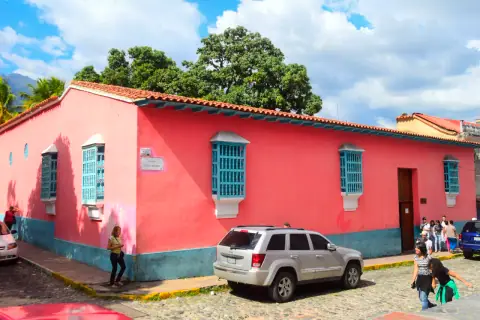
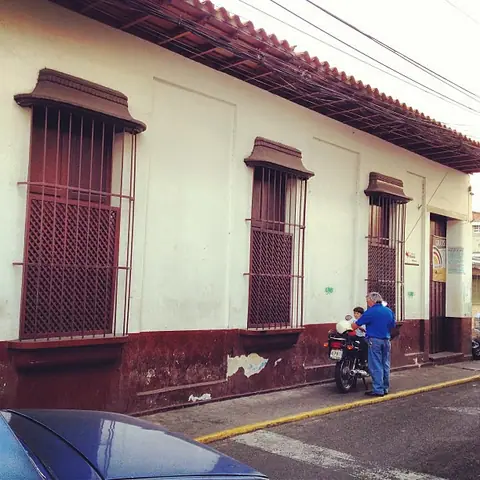
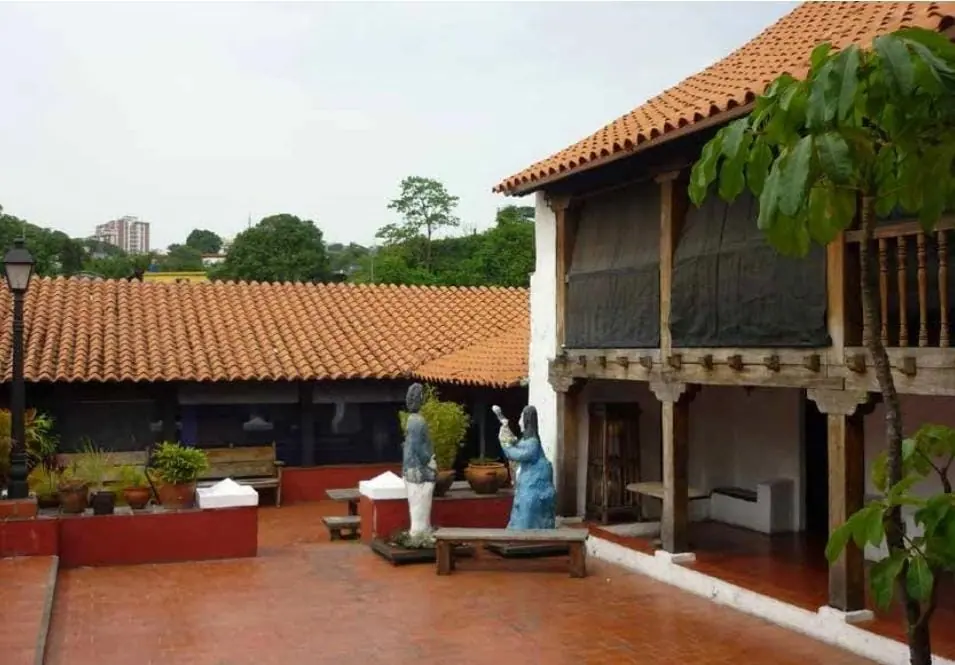
Built on two levels, the mansion reflected the comfortable position of its original 18th-century residents. One of its most striking features is the second-floor corridor, supported by sturdy wooden columns. It also has large windows that were once decorated with masonry moldings in the shape of delicate bows.
The house has a total area of 625 square meters, letting in natural light and offering generous space for different activities. The structure is of exposed wood, and the ground-floor exhibition rooms host temporary folk art exhibitions. The second floor holds the collection storerooms and the museum support areas.
Related video: For an enriching visual experience, we recommend this video exploring the history and folk art of the Bárbaro Rivas Museum of Folk Art of Petare: