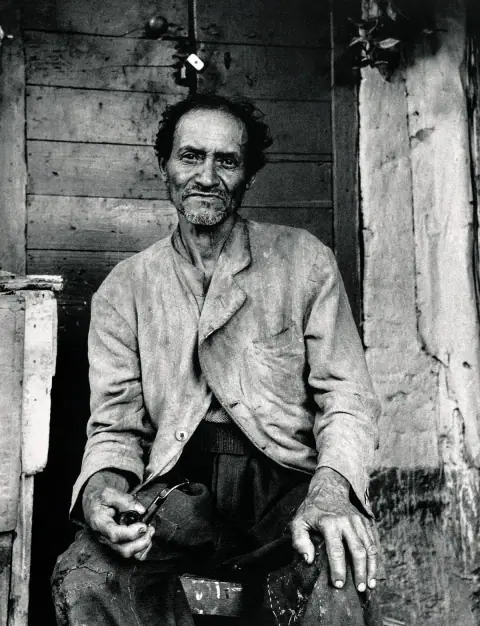
Tito Salas: An Artist Between Bolívar and the People
The life of Tito Salas, painter of the Bolivarian epic and a resident of Petare for more than 40 years.
In this article 6
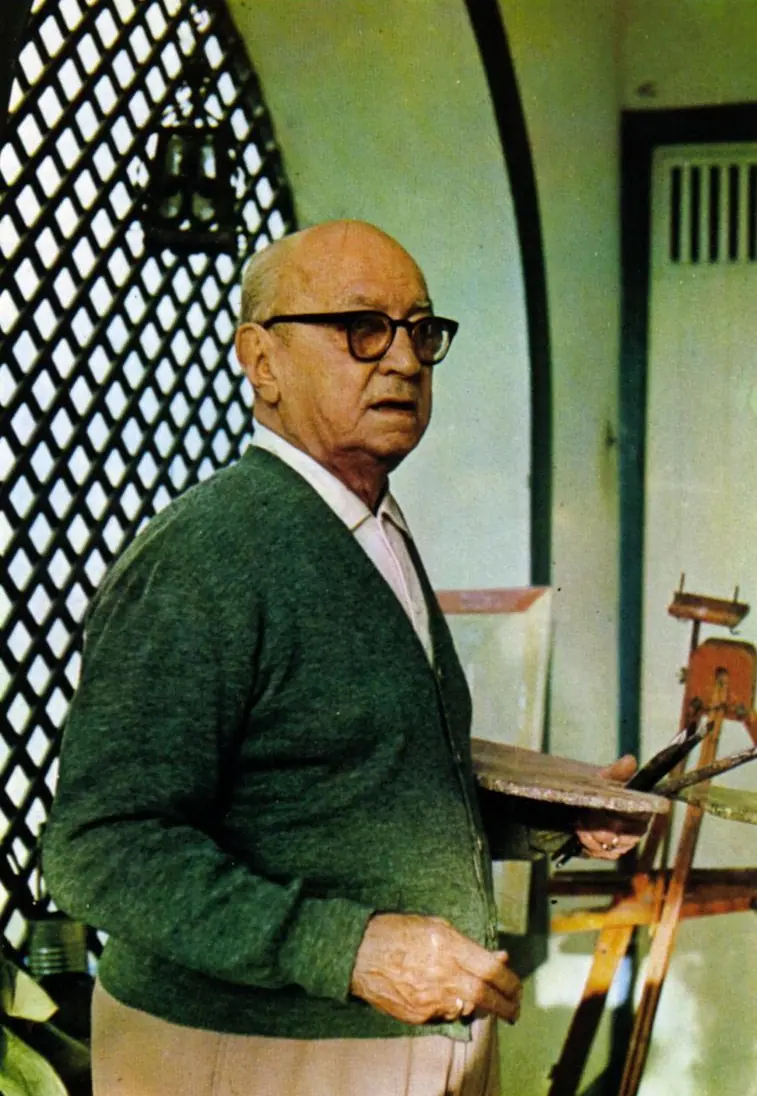
Tito Salas, one of Venezuela's most influential painters, left an indelible mark on both art history and the cultural life of Petare. Known for his monumental works on Simón Bolívar's campaigns of liberation and his costumbrista style (scenes of everyday customs), Salas captured the essence of a country in transformation.
In this article we explore his life, his artistic training and his deep connection with Petare, where he spent much of his life and left a lasting legacy in Venezuelan art.
Tito Salas: life and artistic training
Británico Antonio Salas Díaz, better known as Tito Salas, was born on 8 May 1887 in Antímano — not in Petare, as many might think. The son of José Antonio Salas and Dolores Díaz, he showed a talent for art from a very early age, and by thirteen he had already painted his first picture, "Los herreros" (The Blacksmiths). Tito Salas studied at the Academy of Fine Arts in Caracas, where he was a student of Emilio Mauri and a classmate of leading artists such as Federico Brandt, Manuel Cabré and Armando Reverón.
In 1905 he received a scholarship to continue his studies in Paris, where he attended the Académie Julian and the École des Beaux-Arts, learning from renowned masters such as Jean-Paul Laurens and Lucien Simon. During his time in Europe, Salas also befriended Spanish painters such as Ignacio Zuloaga and Joaquín Sorolla, from whom he absorbed important techniques.
Travels and historical works
In 1906 Tito Salas traveled to Italy, where he was deeply impressed by the work of great masters such as Tiepolo, Tintoretto and Titian, especially the historical genre they cultivated. Between 1907 and 1908 he traveled around Spain, capturing the country's everyday scenes on canvas.
On returning to Venezuela in 1911, he brought with him "The Bolívar Triptych", the first of many works he made for the National Government, now in the Federal Palace. In 1913 he went back to Paris to work on the paintings for the Birthplace of the Liberator, a project he completed in 1931. A year later he was commissioned to paint the murals of the National Pantheon, which he finished ten years later.
During this period Salas produced some of his most iconic works, such as La toma de Las Flecheras, El paso de los Andes (The Crossing of the Andes), Emigración a Oriente (Emigration to the East), The Marriage of Bolívar and María Teresa del Toro, Expedición a los Cayos and The 1812 Earthquake, all related to the Bolivarian epic.
Tito Salas and his relationship with Petare
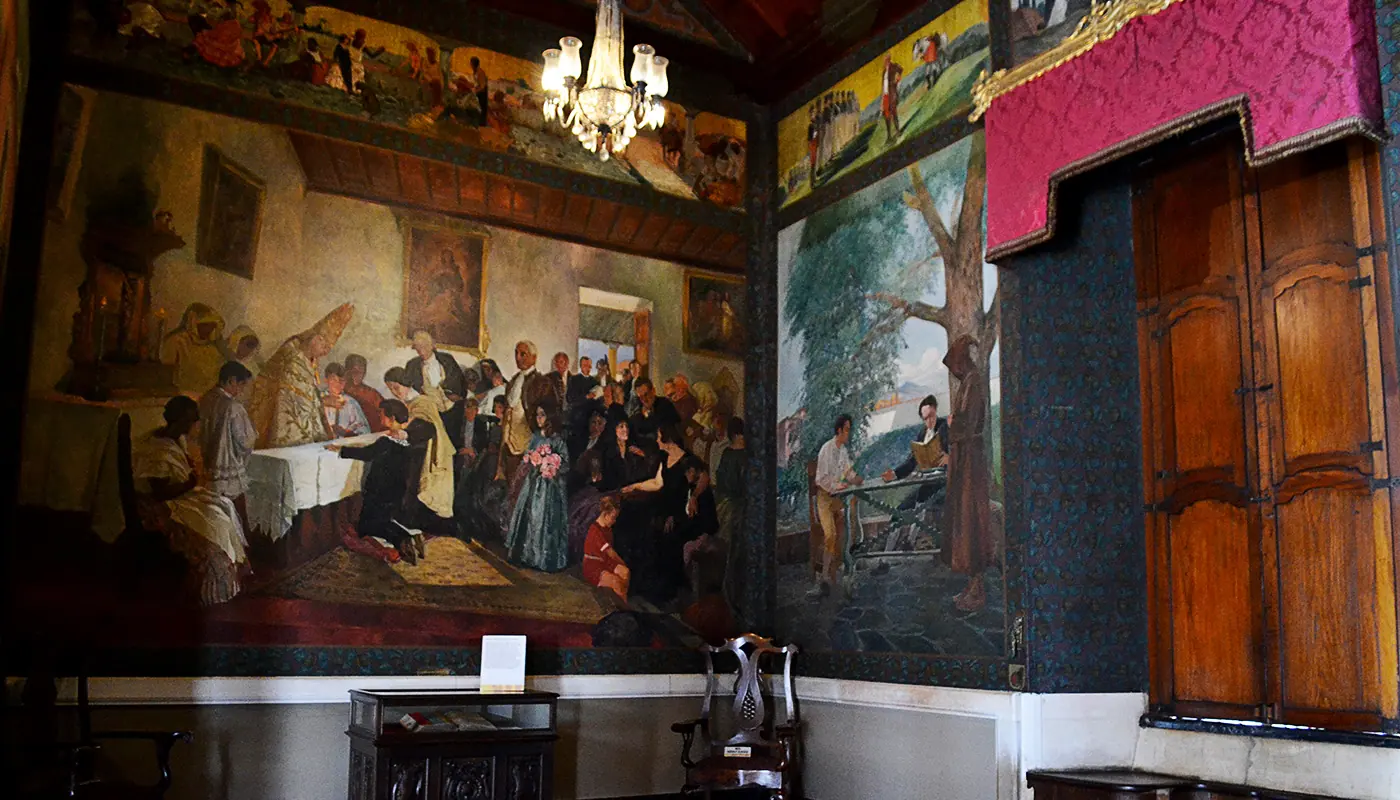
In 1932 Tito Salas inherited Hacienda El Toboso in Petare, the start of a deep relationship with the town. From then on he developed a more intimate style, moving away from the heroic genre to paint landscapes, family portraits and costumbrista scenes inspired by life in Petare.
One of his most notable gifts to the town came in 1936, when he donated a painting called El Nacimiento Azul (The Blue Nativity) to the Church of Dulce Nombre de Jesús. In it, the artist expressed his gratitude to the Child Jesus for his daughters' health and highlighted the devotion the people of Petare had for the Divine Child.
The Miracle of Christ and other works in Petare
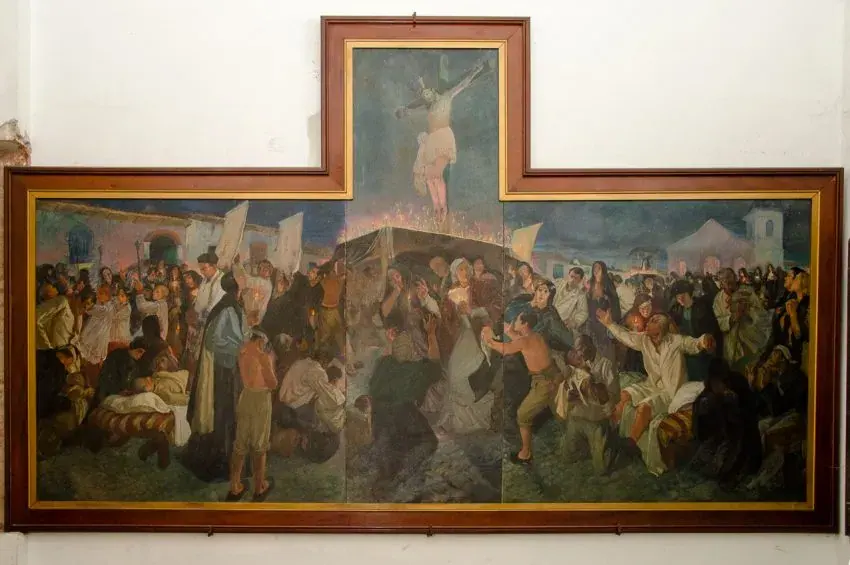
In 1958 Tito Salas faced a difficult time when his youngest daughter fell seriously ill. He prayed for her recovery before Petare's Cristo de la Salud, promising to paint a picture in gratitude if she recovered. The work, called El Milagro del Cristo (The Miracle of Christ), recreates the episode of the 1868 plague as told by Petare tradition. In the painting, Salas included people close to him, such as his friend Jermán Ubaldo Lira and his own family.
Other works related to Petare include: Procession of the Holy Sepulcher of Petare, Landscape of El Ávila from La Urbina, Night Procession of the Nazarene of Petare, Garden of El Toboso and Festival in Petare.
Tito Salas's legacy in Venezuela
Throughout his career, Tito Salas left a deep mark on Venezuelan art history. He was regarded as the painter of Bolívar and Petare, telling through his work both the story of independence and the traditions of Venezuelan towns. Art critic Alfredo Boulton praised his work, noting that Tito Salas combined academic painting with a new message full of character and sensuality, portraying the most important episodes of Venezuelan history.
Tito Salas died on 18 March 1974, but his legacy lives on in his many works, both in Petare and across the country.
Summary
Born in Antímano but deeply tied to Petare, Tito Salas is remembered as one of the greatest exponents of Venezuelan art, focusing on the history of Simón Bolívar and the everyday life of Petare. His artistic influence and love of Venezuelan culture left an indelible legacy that continues to inspire new generations.