Health in Petare: Care Centers, Challenges and Recent Data
The health centers, hospitals and community clinics that serve the people of Petare, and the challenges they face.
In this article 6
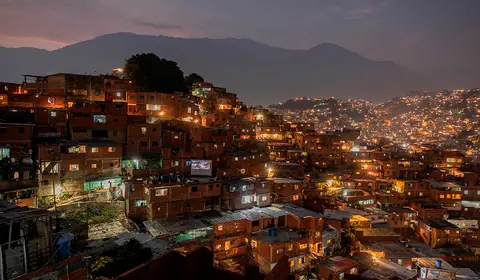
Petare, an emblematic Latin American barrio because of its size and population density, faces significant public health challenges. Despite the difficulties, however, several care centers and health services work hard to look after the population.
This article gives a detailed overview of health centers in Petare, the services they offer and the challenges they face in ensuring the well-being of residents.
Primary care centers in Petare
Primary Care Centers (CAP) are essential to health care in Petare. Spread across different sectors of the barrio, they offer basic services such as general consultations, vaccinations, prenatal check-ups and treatment of common illnesses.
The barrio's health centers provide medical care to thousands of people every month, as well as preventive health programs and community education focused on healthy habits and disease prevention.
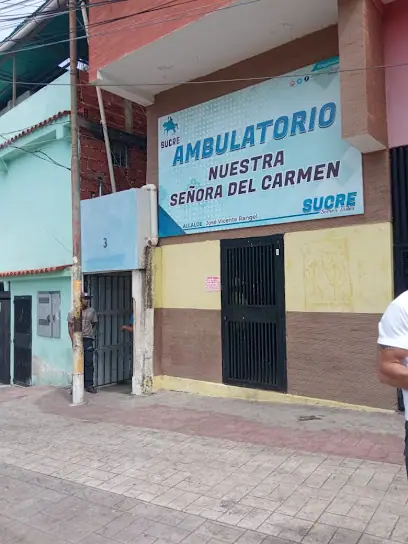
Petare's CAPs see a high volume of patients every week, and demand often exceeds their capacity. Despite their efforts, the lack of resources and medical staff remains a significant obstacle.
💡Fun fact: Many of Petare's CAPs have built volunteer networks of doctors, nurses and social workers who work together to extend the reach of health services in the community.
Hospitals and emergency services
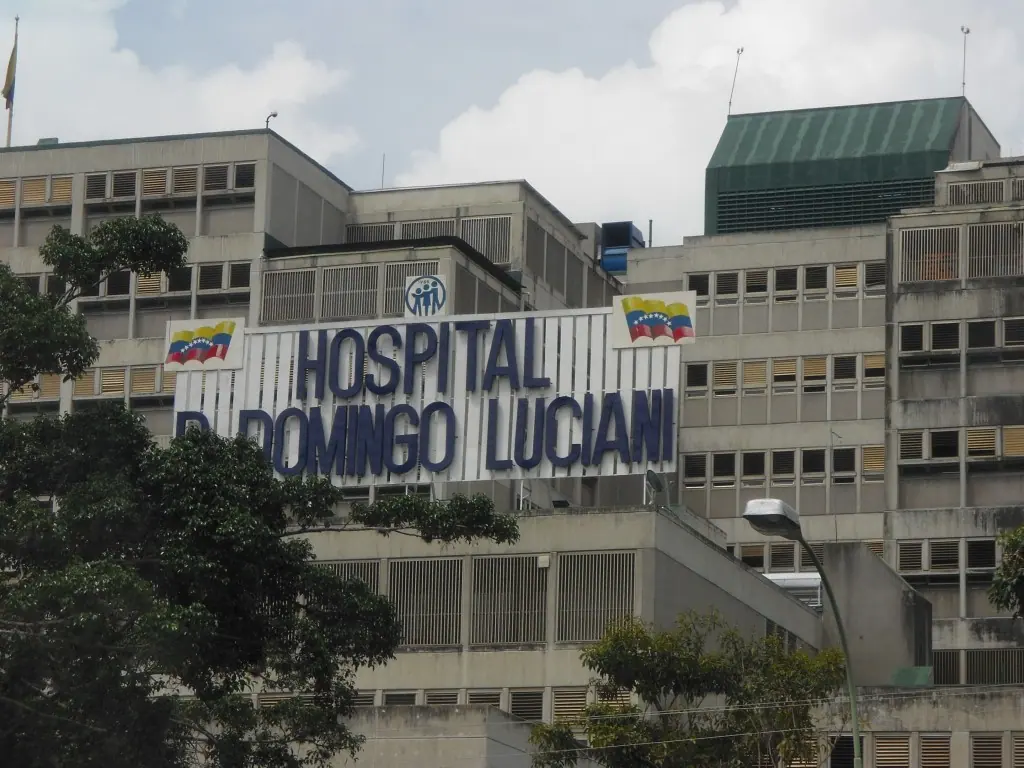
The main hospital serving Petare residents is Dr. Domingo Luciani Hospital, one of the largest and busiest hospitals in Caracas. It offers a wide range of services, from emergency care to complex surgery and specialist treatment.
However, like many hospitals in Venezuela, Dr. Domingo Luciani Hospital faces serious infrastructure problems and shortages of medical supplies. These shortcomings mean care is often insufficient for the large number of patients it receives every day.
Like many Venezuelan public hospitals, it has gone through periods of shortages of essential medicines and a lack of working diagnostic equipment, which directly affects the quality of care.
Besides the hospital, Petare has emergency services through ambulances and private clinics operating in the area. Access to these services can be limited, though, by traffic congestion and the barrio's difficult terrain.
💡Fun fact: Despite the limitations, the medical staff at Dr. Domingo Luciani Hospital have been recognized several times for their dedication and commitment to patients, working in difficult conditions to provide the best possible care.
Community clinics and NGOs
Community clinics play a vital role in health care in Petare. Many of them are run by NGOs and religious organizations and provide free or very low-cost care to people who cannot access hospitals or private care.
Several of these clinics offer general medicine, dentistry and maternal and child care. Several NGOs have also set up specific health programs to tackle problems such as child malnutrition and prenatal care. Community clinics in Petare see a considerable number of patients every day and have played an important role in childhood vaccination in the most vulnerable sectors.
💡Fun fact: Many of these clinics also act as training centers for young people in the community, offering training in areas such as nursing and health care assistance, which not only improves their employability but also strengthens local health care staffing.
Health care challenges
Despite significant efforts by health centers, hospitals and NGOs, Petare's health system faces serious challenges. Medicine shortages, run-down equipment and patient overload are recurring problems that limit the ability of health services to care for the population effectively.
Lack of access to specialist services is another major problem, forcing many patients to seek care outside Petare, which can be expensive and logistically complicated. The barrio's socioeconomic conditions, with high poverty rates, make these problems worse, creating additional barriers to health care.
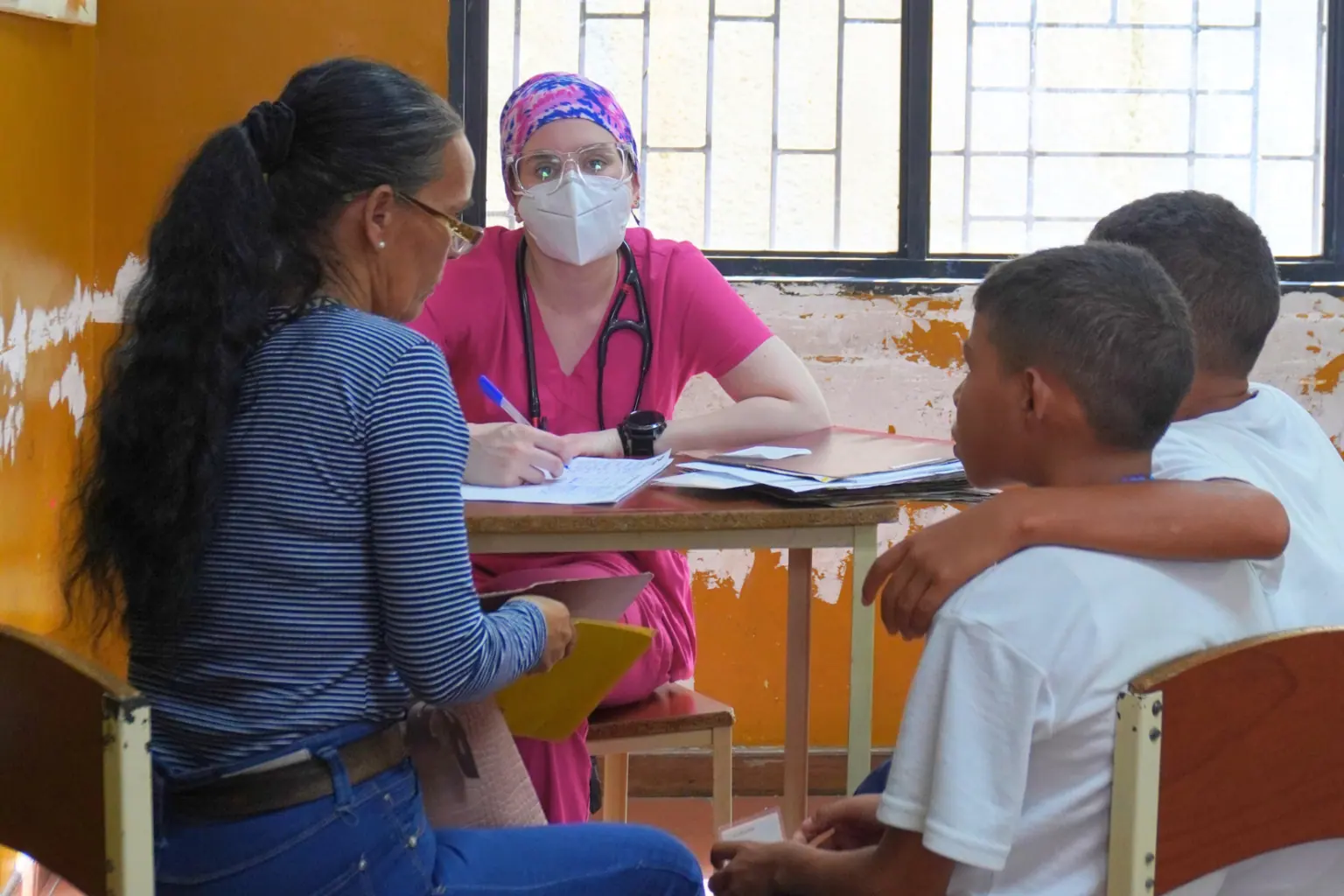
A significant share of Petare's health centers operate with run-down infrastructure, and several specialist services are not available in the barrio, which makes things harder for patients with chronic illnesses.
💡Fun fact: In response to these challenges, community initiatives have emerged in which residents organize health campaigns and vaccination drives, showing a strong sense of solidarity and self-organization within the community.
Opportunities for improvement and ongoing projects
Despite the challenges, there are several opportunities to improve health care in Petare. Telemedicine initiatives are beginning to be explored as a way to widen access to medical consultations, especially in areas with limited infrastructure. Public-private partnerships could also help improve infrastructure and ensure a more reliable supply of medicines and equipment.
Some telemedicine pilot projects have begun to be explored in the area, aiming to reduce in-person visits to health centers and free up resources for more urgent cases.
There are also initiatives seeking to strengthen collaboration between health centers, community clinics and NGOs to offer more comprehensive and coordinated care to the population.
💡Fun fact: Some pilot programs are evaluating mobile health services, which can take medical care directly to the most vulnerable and remote sectors of Petare.
Summary
Health in Petare reflects the broader challenges facing Venezuela, but it is also a testament to the resilience and determination of its people. Despite the difficulties, care centers, hospitals, community clinics and NGOs work tirelessly to provide health services to the community. With innovative projects and a focus on collaboration, Petare keeps looking for ways to improve health care and ensure the well-being of its residents.
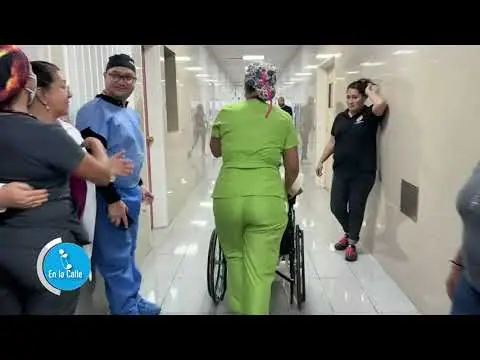
Related video: To better understand the health situation in Petare, we recommend this video documenting conditions at care centers and community efforts: