Notable People of Petare: Heroes and Leaders Who Made History
Meet José Félix Ribas, Julián Castro, Bárbaro Rivas and other figures who shaped the history of Petare.
In this article 9
- 1. José Félix Ribas (1775-1815)
- 2. Father Luis María Olaso, S.J. (Pamplona, Spain – Caracas, 1997)
- 3. Alfredo Sadel (1930-1989)
- 4. Simón Díaz (1928-2014)
- 5. Leonor de la Guerra (c. 1790-1816)
- 6. Julián Castro Contreras (1805-1875)
- 7. Bárbaro Rivas (1893-1967)
- 8. Ana Francisca Pérez de León (1737-1812)
- Summary
Petare, with its rich history and vibrant culture, has been the cradle of many notable people who left an indelible mark on Venezuelan history. From political leaders to cultural figures, they played key roles in shaping not only Petare but the country as a whole.
This article looks at the lives and achievements of some of Petare's most notable figures, highlighting their impact and legacy on Venezuelan society.
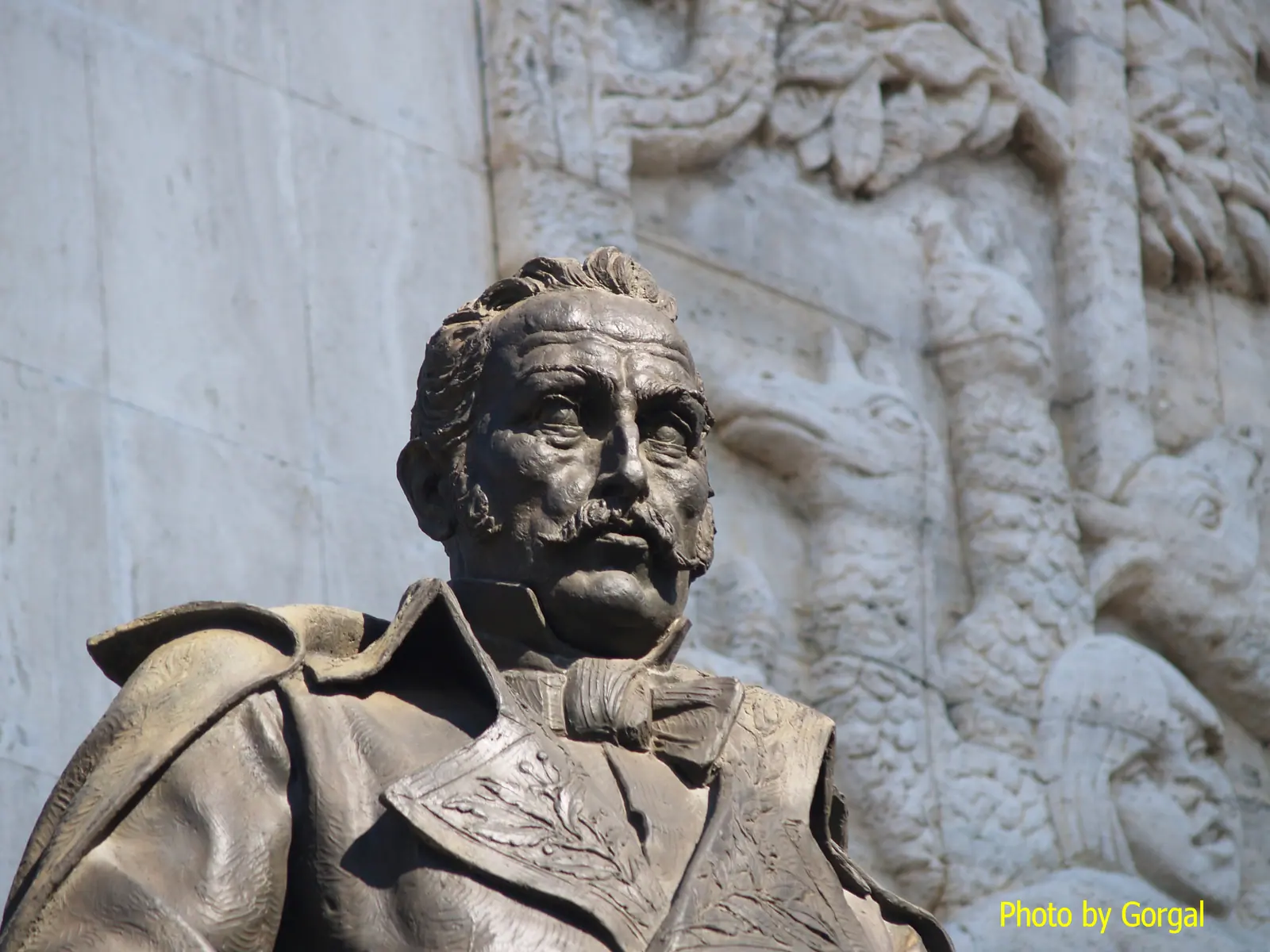
1. José Félix Ribas (1775-1815)
One of the most important names associated with Petare is José Félix Ribas, a prominent military and political leader who played a crucial role in the Venezuelan War of Independence. Born in Caracas, Ribas was a fervent supporter of independence and became one of the main commanders of the patriot army.
Key contributions:
- Battle of La Victoria: José Félix Ribas is perhaps best known for leading the Battle of La Victoria on 12 February 1814, where he commanded a group of young students and soldiers who held off and defeated the royalist forces, securing a crucial victory for the independence movement. The event is celebrated every year in Venezuela as Youth Day.
- Legacy in Petare: Although Ribas was not born in Petare, his connection to the area is symbolic and his name lives on in one of the barrio's most important sectors: José Félix Ribas, a community that proudly bears the hero's name.
💡Fun fact: In honor of his courage and leadership, José Félix Ribas is one of the most revered figures in Venezuelan history, and his legacy lives on in the country's popular culture and collective memory.
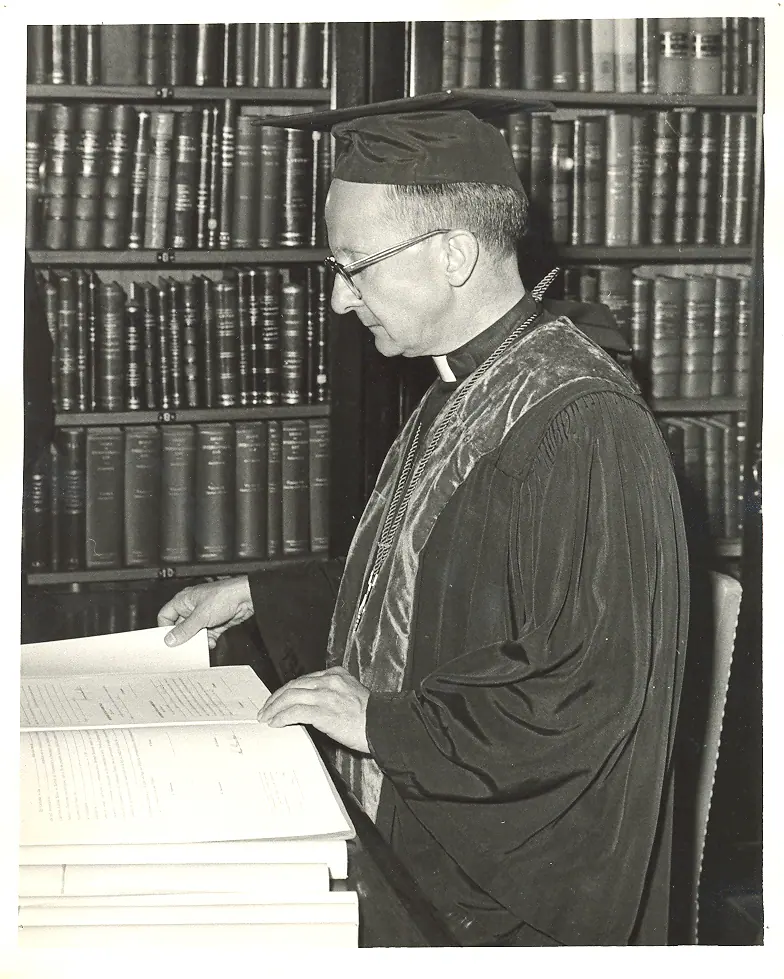
2. Father Luis María Olaso, S.J. (Pamplona, Spain – Caracas, 1997)
Luis María Olaso, S.J. was a Jesuit priest, lawyer and prominent human rights defender in Venezuela. Born in Pamplona (Spain), he arrived in Venezuela in 1955 and spent much of his career at the Andrés Bello Catholic University (UCAB) in Caracas. Although there is no documented direct link with Petare, his legacy as a pioneer of human rights in the country makes him one of the most influential figures in contemporary Venezuela.
Key contributions:
- Education and training: He was Dean of the Law School at the Andrés Bello Catholic University (UCAB) and taught Introduction to Law, training generations of Venezuelan lawyers.
- Social commitment: He worked at the Human Rights Directorate of the Attorney General's Office and is remembered as one of the main driving forces of the human rights movement in 20th-century Venezuela.
💡Fun fact: After his death in 1997, UCAB awarded him a posthumous honorary doctorate, and the Kingdom of Spain granted him the Order of Isabella the Catholic in his memory.
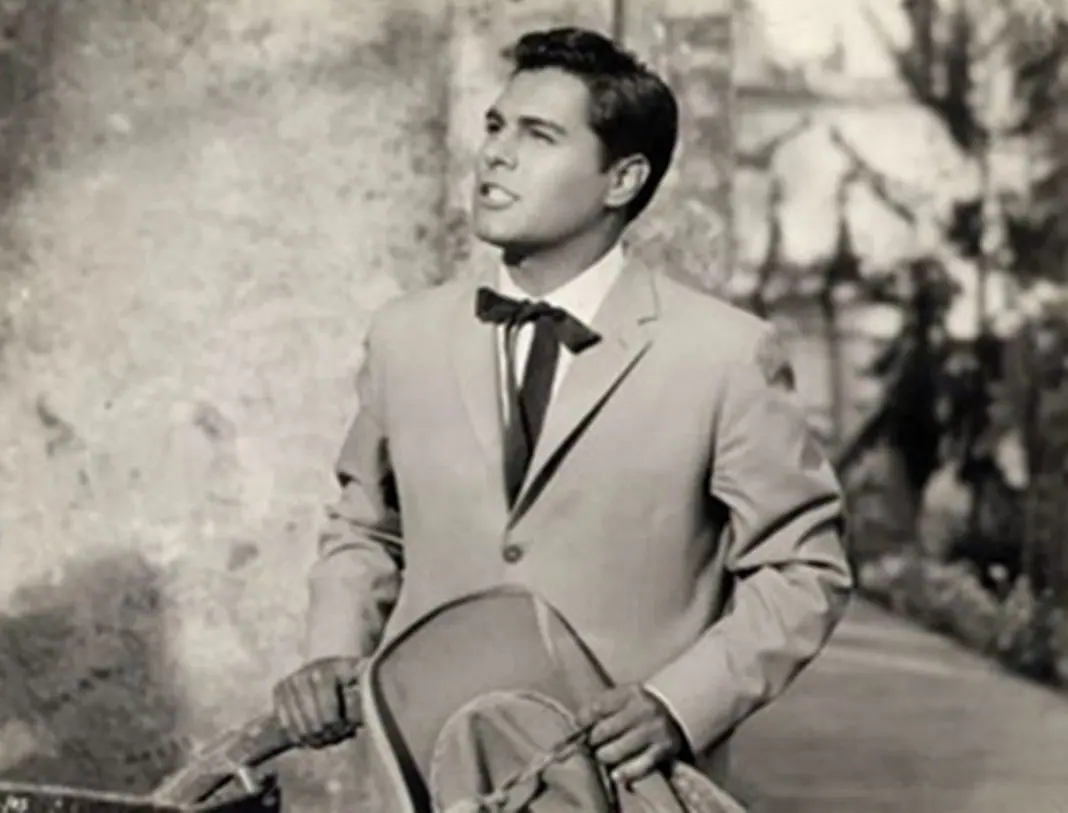
3. Alfredo Sadel (1930-1989)
Known as "Venezuela's Favorite Tenor", Alfredo Sadel was one of the most beloved and recognized voices in Venezuelan music. Born in the El Cementerio area of Caracas, his musical career took him around the world, but he always kept a deep connection with Petare, where he began building his career on radio and in live shows.
Key contributions:
- Musical career: Alfredo Sadel was a versatile singer who explored many genres, from bolero and opera to Venezuelan popular music. His unique voice and charisma made him a cultural icon in Venezuela.
- Legacy in Petare: Although his career took him to international stages, Sadel never forgot his roots and performed many times in Petare, contributing to the barrio's cultural life.
💡Fun fact: In honor of his legacy, several streets and squares in Venezuela are named after Alfredo Sadel, and his music remains an important part of the Venezuelan cultural repertoire.
4. Simón Díaz (1928-2014)
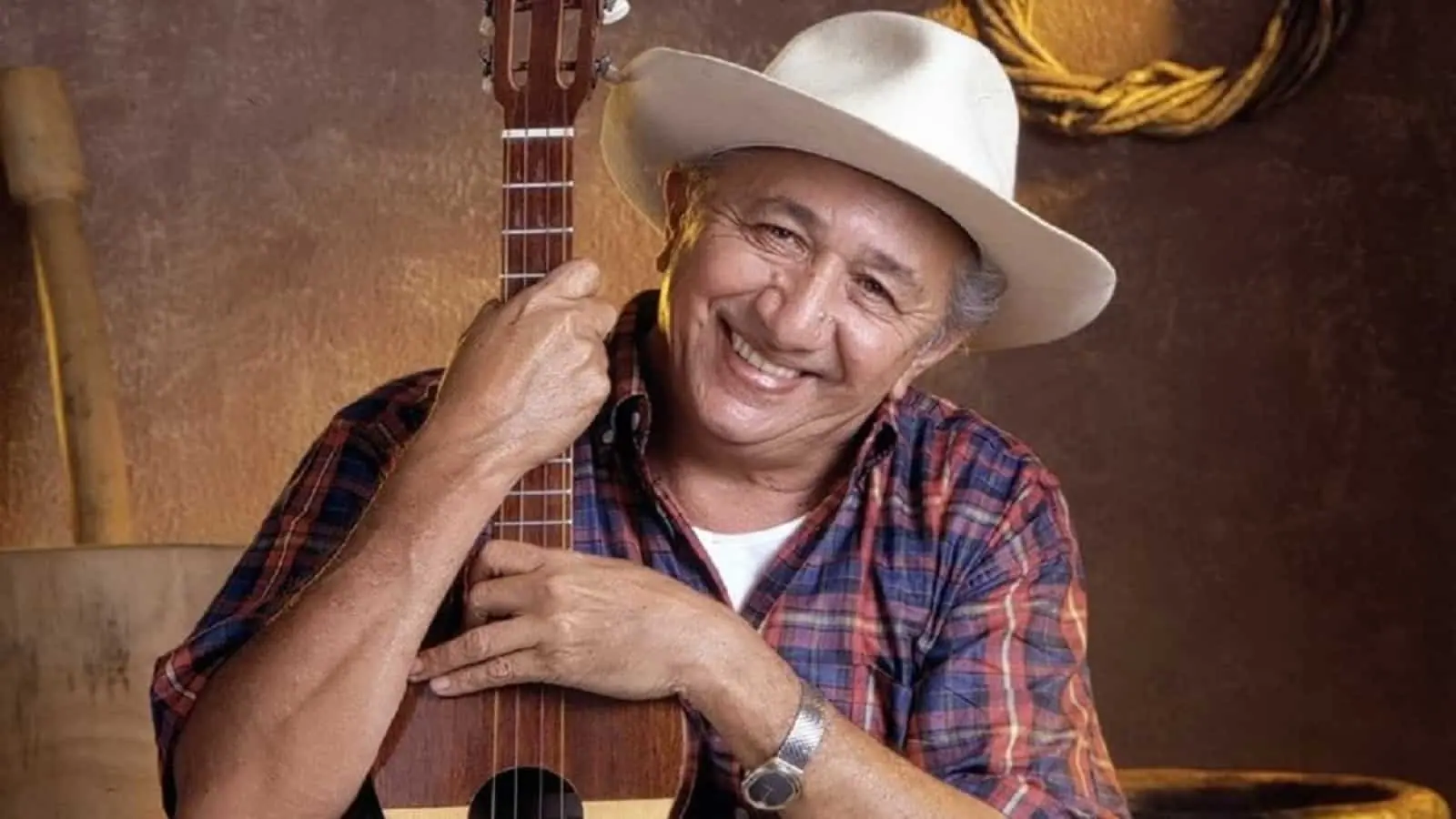
Simón Díaz, known as "Tío Simón" (Uncle Simón), is one of the most beloved figures in Venezuelan music and, although he was not born in Petare, his influence on the barrio and the whole country is undeniable. His music, especially his tonadas llaneras (plains songs), has resonated in every region of Venezuela, including Petare, where his cultural legacy is widely recognized.
Key contributions:
- Venezuelan popular music: Simón Díaz is famous for his tonadas llaneras, a musical genre he helped popularize both in Venezuela and abroad. Songs like "Caballo Viejo" have become anthems of Venezuelan culture.
- Cultural influence: Beyond his music, Simón Díaz promoted Venezuelan popular culture through his TV show "Contesta por Tío Simón", widely watched in Petare and across the country.
💡Fun fact: Although Simón Díaz was not born in Petare, his music and his figure are revered in the barrio, where his songs are often heard in squares and at festivals, keeping his influence alive in local culture.
5. Leonor de la Guerra (c. 1790-1816)
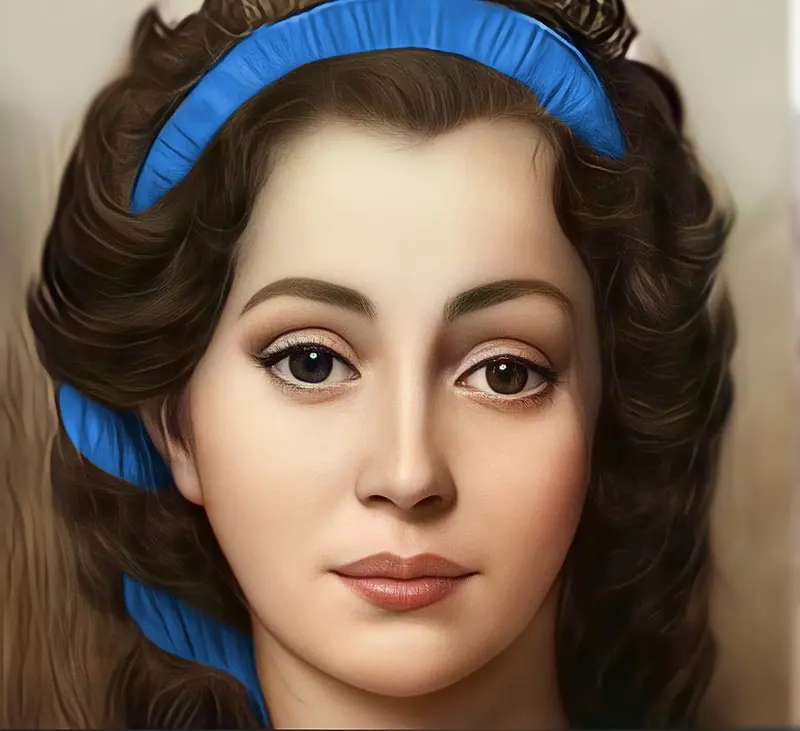
Leonor de la Guerra y Vega Ramírez was a heroine of the Venezuelan War of Independence, born in Cumaná. Although she was not born in Petare, her story of courage against the royalist forces made her a national symbol of patriot resistance, and her name is still honored by schools across the country.
Key contributions:
- An act of defiance: In 1816 she defied the forces of royalist colonel Juan Aldama by appearing at her window with a blue ribbon in her hair, the distinctive symbol of the independence patriots.
- Sacrifice for the cause: She was sentenced to 200 public lashes for refusing to betray other independence sympathizers, and died that same year as a result of the punishment, never renouncing her convictions.
💡Fun fact: Today there are schools in Venezuela, such as the Heroína Leonor de la Guerra school in Nueva Esparta, named in tribute to her courage during the independence struggle.
6. Julián Castro Contreras (1805-1875)
Julián Castro Contreras was born in Petare on 12 June 1805, becoming the first president of Venezuela born in Miranda state. His military and political career led him to head the March Revolution of 1858 against the government of José Tadeo Monagas.
Key contributions:
- President of Venezuela: After the March Revolution triumphed, he was appointed provisional president, a post he held for 17 months between 1858 and 1859.
- Historical legacy: His government preceded the Federal War, the most important civil conflict in Venezuelan history.
💡Fun fact: Until Rómulo Betancourt more than a century later, Julián Castro was the only Venezuelan president born in Miranda state.
7. Bárbaro Rivas (1893-1967)
Bárbaro Rivas, born in Petare on 4 December 1893, is the greatest exponent of Venezuelan naïve art. Known as "the illuminated one of Petare", his self-taught and deeply symbolic work earned him national and international recognition.
Key contributions:
- Artistic discovery: Critic Francisco Da Antonio introduced his work in 1949, including it in the exhibition "Seven Primitive and Spontaneous Painters of Petare".
- Legacy in Petare: The Petare Museum of Folk Art bears his name in his honor, preserving and promoting his work to this day.
💡Fun fact: You can learn more about his life and work in our article about Bárbaro Rivas.
8. Ana Francisca Pérez de León (1737-1812)
Ana Francisca Pérez de León is one of the most cherished figures in Petare's history, remembered for her humanitarian work after the 1812 earthquake. Historians debate her exact birthplace, between Petare and El Hatillo, but her bond with the Petare community is unquestionable.
Key contributions:
- Humanitarian work: After the 1812 earthquake, she went around the affected areas of Petare providing food and resources to rebuild the homes of those most in need.
- Institutional legacy: She donated the funds to create a hospital that today bears her name: the Pérez de León Hospital.
💡Fun fact: Her former home in Petare now houses the "Misia Ana de Infante" Public Library. You can read her full story in our article about the Casa de los León.
Summary
Petare has been the home and sphere of influence of many notable people who left an indelible mark on Venezuelan history. From independence heroes to cultural and social figures, they not only contributed to Petare's development but also had a significant impact on Venezuelan society as a whole. Their legacy lives on in the streets, squares and communities of Petare, where their names are remembered and celebrated as symbols of courage, creativity and dedication.