Petare and Safety: Challenges and Measures to Improve Quality of Life
The security challenges in Petare and the community and government initiatives working to improve safety.
In this article 6
Petare, an emblematic barrio of Caracas, is known both for its vast size and dense population and for its significant security challenges. The complexity of the situation lies in a combination of historical, social and economic factors that have shaped the barrio's current reality. Despite the challenges, however, the community, together with the authorities and non-governmental organizations (NGOs), has implemented various strategies to improve safety and quality of life for its residents.
This article offers a comprehensive look at the security challenges in Petare, the measures taken to address them, and the crucial role the community plays in these efforts.
History and context of insecurity in Petare
Petare is one of the oldest barrios in Caracas, founded in 1621. Over time, uncontrolled urbanization, internal migration and a lack of proper urban planning have made Petare one of the most densely populated and complex barrios in the region. Poverty, inequality and a lack of opportunities have created a breeding ground for crime and violence, problems made worse by the presence of organized gangs and weak institutions.
Roots of insecurity:
- Socioeconomic inequality: The gap between rich and poor in Caracas is striking, and Petare reflects this extreme inequality. Lack of access to basic services, formal jobs and quality education has pushed many young people towards crime as a way to get by.
- Uncontrolled urban growth: As Petare's population grew without a clear urban plan, informal settlements emerged that lack proper services and where the State is barely present. These areas have become places where criminal gangs exert significant control.
💡Fun fact: In some sectors of Petare, residents have created their own informal systems of justice and security because they don't trust the official authorities, which deepens the fragmentation of territorial control.
Main security challenges
Security in Petare is shaped by a series of interrelated problems that make effective solutions hard to implement. Here are some of the main challenges:
1. Criminal gangs:
- Criminal gangs in Petare not only commit crimes such as robbery and kidnapping but also control informal economic activities and influence residents' daily lives. Their territorial control makes it difficult for security forces and social organizations to reach certain areas.
- Context: In some parts of Petare, a considerable share of residents live in areas where gangs have a significant presence, limiting mobility and access to essential services.
2. Inadequate infrastructure and public services:
- The lack of basic infrastructure, such as street lighting, drinking water and transport, contributes to insecurity. Poorly lit streets and the lack of escape routes in emergencies make residents more vulnerable.
- Example: In sectors like La Dolorita, frequent blackouts and a lack of street lighting increase the sense of insecurity, especially at night.
3. Distrust of institutions:
- Corruption and ineffective security forces have eroded the community's trust in the authorities. Many residents prefer not to report crimes for fear of reprisals or because they believe reporting will make no difference.
- 💡Context: Despite attempts to improve security, a considerable share of Petare's residents distrust the relationship between the police and local criminal gangs.

Measures taken to improve security
Over the years, various strategies have been used to tackle insecurity in Petare, ranging from police operations to community initiatives that aim at the roots of the problem.
1. State security operations:
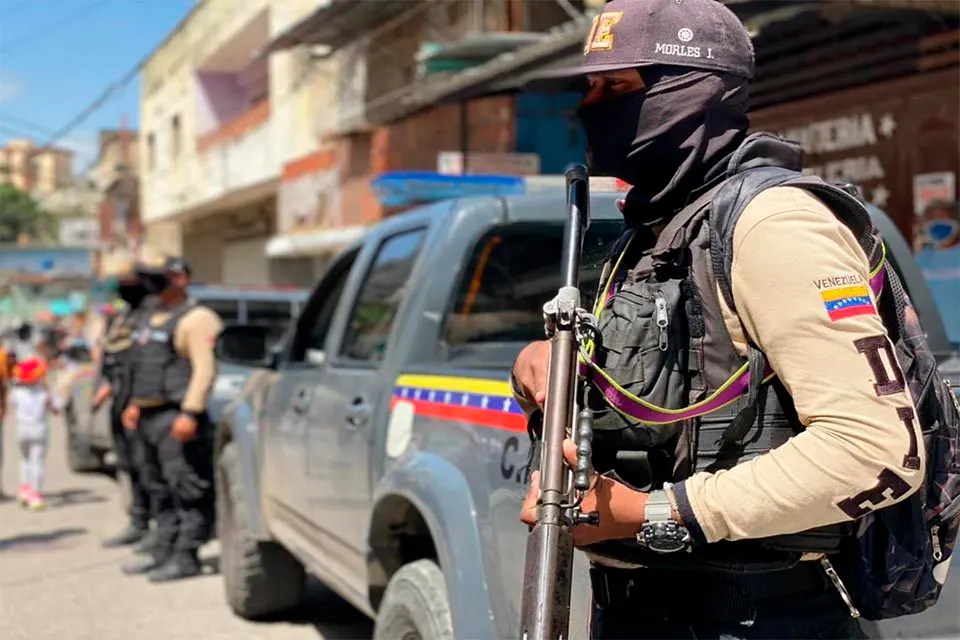
- High-impact operations: The government has launched large-scale security operations to dismantle criminal gangs and regain control of territory. Although these operations have temporarily reduced some crime rates, they have been criticized for their militarized approach and reported human rights abuses.
- Mixed results: Despite some successes, the operations have had limited long-term impact because they do not address the structural causes of insecurity, such as poverty and lack of opportunity.
2. A stronger police presence:
- Community policing: There have been attempts to introduce a community policing model that works closely with residents to improve safety. Although it has had some success in specific sectors, lack of resources and corruption have limited its overall effectiveness.
- Security technology: CCTV cameras and real-time monitoring systems have been proposed as a way to improve surveillance, although their implementation has been limited so far.
3. Community initiatives:
- Neighborhood safety committees: Made up of residents, these committees play a crucial role in crime prevention. They organize neighborhood patrols, encourage cooperation between neighbors and work with local authorities to improve safety.
- Preventive security initiatives: Operations such as "Unidos por la Paz" (United for Peace), run by the Bolivarian National Guard together with the Prevention Unit of the Ministry of Interior, Justice and Peace under the Gran Misión Cuadrantes de Paz program, have been carried out in sectors of Petare, combining a security presence with community activities.
💡Fun fact: Women's participation in neighborhood safety committees has been essential, not only in patrolling but also in mediating conflicts and organizing community activities that promote peace.
Impact and results of the security measures
The various strategies have had mixed results, with some progress and many challenges still to overcome. Here are some of the most significant impacts:
1. A partial reduction in crime:
- Homicides: Thanks to stepped-up security operations and community cooperation, some areas of Petare have seen homicide rates fall. However, these gains are often temporary, and violence remains high compared with other barrios of Caracas.
- Vandalism and theft: Safety committees and more street lighting in certain sectors have helped reduce vandalism and theft in well-organized areas.
2. A better sense of safety:
- Community trust: In sectors where neighborhood safety committees and community policing have been implemented effectively, residents report feeling safer and having a better relationship with the authorities.
- Active participation: Community organizing has created a stronger sense of belonging and responsibility among residents, who feel more empowered to take action to improve their surroundings.
Context: In sectors of Petare with active prevention and community participation programs, residents and local organizations report a noticeable drop in crime compared with sectors without such programs.
Ongoing challenges and future opportunities
Despite the progress, Petare still faces significant security challenges. Structural poverty, institutional corruption and lack of opportunity remain major obstacles. However, there are opportunities to improve the situation.
1. Investing in education and jobs:
- Training programs: Expanding job training and technical education for young people could lower crime rates by offering viable economic alternatives.
- Entrepreneurship initiatives: Encouraging local entrepreneurship through microcredit and support programs can help create jobs and reduce dependence on the informal economy and crime.
2. Stronger institutions:
- Police reform: A comprehensive reform of the security forces, including human rights training and anti-corruption measures, is crucial to restoring the community's trust in institutions.
- Use of technology: Wider use of surveillance technology and rapid-response systems could significantly improve the effectiveness of security measures.
💡Fun fact: A comprehensive CCTV system, combined with neighborhood patrols and a rapid response from the authorities, could reduce crime in Petare's most vulnerable areas.
3. Stronger social cohesion:
- Cultural and sports projects: Promoting cultural and sports activities as part of community development can help steer young people away from negative influences and strengthen social ties.
- Citizen participation: Increasing residents' participation in planning and carrying out security measures strengthens the social fabric and creates a more united and resilient community.
💡Fun fact: Community sports projects have proved effective not only in promoting health and sport but also in preventing crime, by giving young people constructive alternatives and a sense of belonging.
Summary
Security in Petare remains a considerable challenge, but it is not insurmountable. The combined efforts of the community, the authorities and organizations have made important progress, although much remains to be done. With a comprehensive approach that includes education, job creation, institutional reform and citizen participation, Petare can keep moving towards a safer environment and a better quality of life for all its residents. The key is to keep up the momentum and strengthen the initiatives that have proved effective, while tackling the underlying causes of insecurity more deeply.
Related video: To learn more about security efforts in Petare and how the community is organizing to face these challenges, we recommend this video: