The Local Economy of Petare: Entrepreneurship and Growing Businesses
Petare's economic landscape: entrepreneurship, informal trade, remittances and growing businesses.
In this article 4
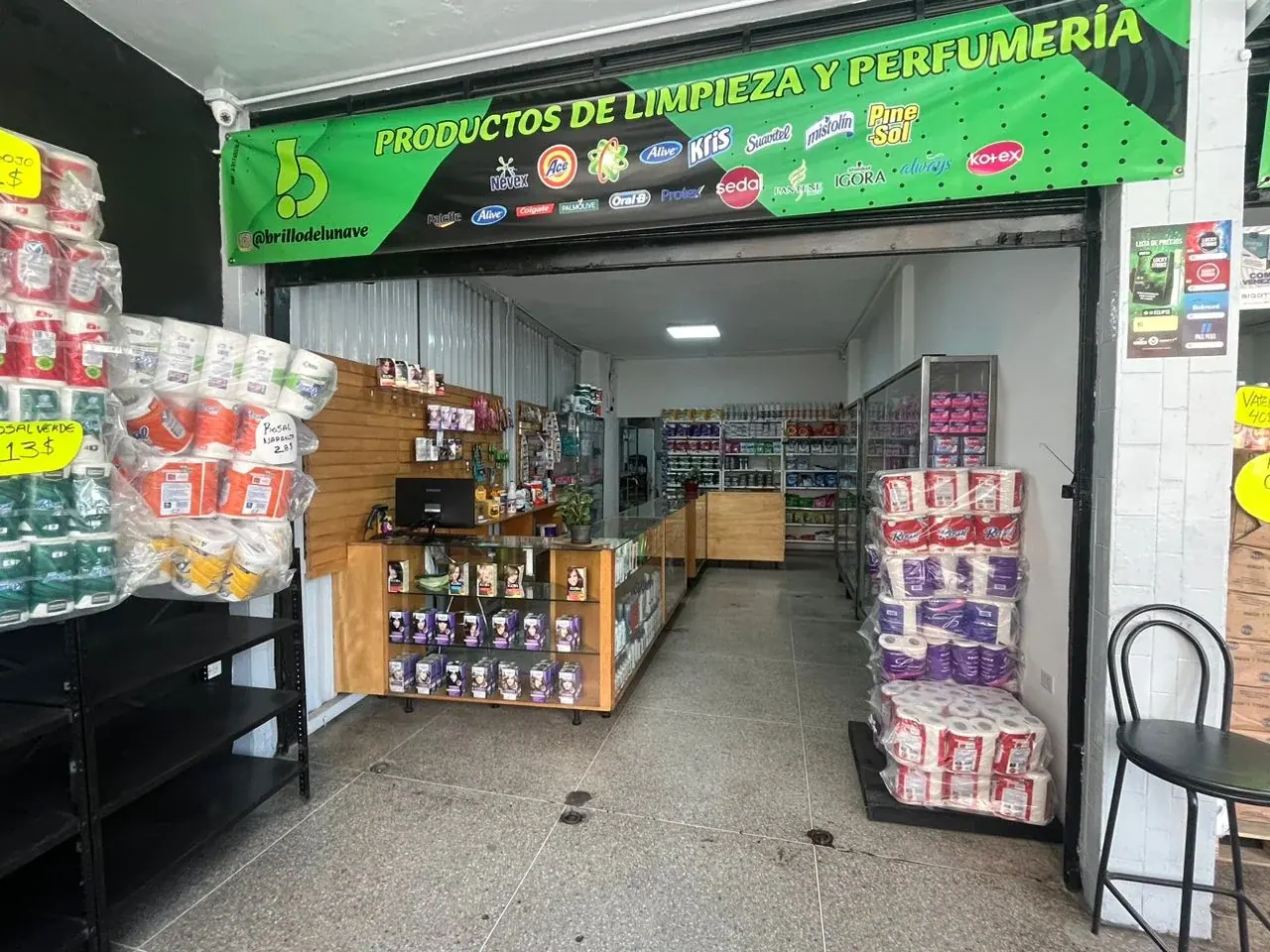
Petare doesn't have an informal economy for lack of ambition. It has one because, according to Ecoanalítica, Venezuela ended 2025 as the country with the fourth-highest rate of labor informality in Latin America — 70%, compared with a regional average of 50%. In a barrio the size of Petare, that national figure is no abstraction: it translates into thousands of street stalls, makeshift workshops and unregistered businesses — not as the exception but as the norm.
The figure has a recent face. In August 2025, when the Caracas city government evicted informal vendors from La Hoyada, Alfredo Padilla, director of the Association of Workers, Entrepreneurs and Micro-businesses (Atraem), summed it up: informality isn't the problem, it's the symptom of a lack of well-paid formal jobs. The same logic explains why in sectors like La Bombilla or José Félix Ribas, popular markets and fairs aren't an add-on to Petare's commerce — they are its backbone.
The invisible dollar that holds everything up
Behind much of that trade is an engine rarely mentioned: remittances. According to estimates by the Inter-American Dialogue, more than 35% of Venezuelan households depend on money sent from abroad to pay for food, medicine and basic services — in some cases up to 80% of monthly family income. That flow of dollars is, to a large extent, what funds the stalls and small businesses of barrios like Petare: not bank credit, but a regular transfer from a son or brother abroad.
A market being built as you read this
The clearest example of where Petare's informal economy is heading isn't a survey, it's a construction site. At the exit of the Petare Metro station, towards Fechas Patrias, the Sucre Municipality is building the Mercado Tricolor: 170 kiosks on 1,850 square meters, designed as "an open-air shopping center made of containers", as the municipality's director of engineering explained in September 2025. For Noelia Flores, who represents the traders behind the project, it is not just another promise: "It's no longer just a proposal; for more than 98% of the traders who make a living in this area, it's a reality."
It is the institutional response to a tension Petare has lived with for more than a decade: the same stalls that support thousands of families also take over sidewalks and create friction with the rest of the community. The Sucre municipality itself acknowledges this in its plan to restore the Historic Center of Petare: relocating and registering the informal economy to "legalize it and bring it into the municipal economy" — the same land that once held illegal trade and mototaxis is now home to Plaza Las Madres, a children's park in the very center of Petare.
What already works: commerce with history
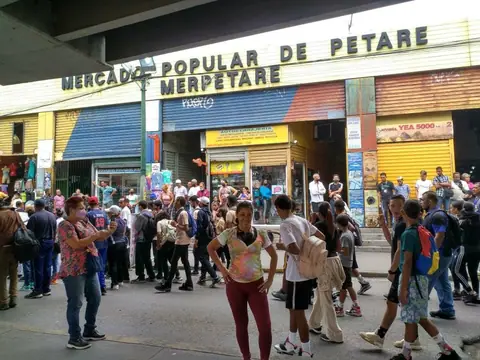
Not everything in Petare is survival informality. The Petare Municipal Market, with more than a century of history, shows that organized trade also has a place in the barrio. And there are long-standing businesses — bakeries, hardware stores, family workshops — that have been running for two decades or more with the same loyal customers: proof that staying power is possible when a base has been built over time, not just through good luck.
The obstacle even the Mercado Tricolor won't solve: credit
Going formal isn't just about having a permanent kiosk. It's about access to finance, and that's where most Petare traders get stuck: with no banking history or collateral, they fund their businesses with their own savings or family remittances, not with credit. Until that changes, the formal market — however nice and well built — will keep running internally by the rules of the informal economy.
Sources: Ecoanalítica (2025), El Nacional, Inter-American Dialogue, Últimas Noticias, Sucre Municipality.