Urban Development in Petare: Challenges and Opportunities
How Petare grew, its infrastructure challenges and the initiatives working to renew the barrio.

In this article 5
Petare, one of the largest barrios in Latin America and the largest in Caracas, reflects the urban contrasts typical of many developing cities. Over the years Petare has experienced rapid urban growth, accompanied by a series of challenges and opportunities that have shaped its landscape and community. In this article we explore how urban development has evolved in Petare, the problems it has faced and the initiatives seeking to transform this vibrant barrio.
Petare's rapid growth
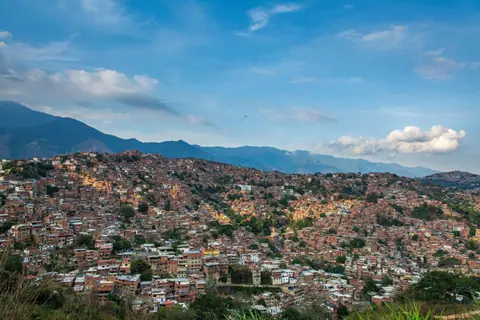
Petare has grown significantly since the mid-20th century, when Venezuela's oil boom attracted thousands of internal migrants looking for better opportunities. This uncontrolled growth led to the spread of informal barrios and precarious settlements without proper urban planning. As the population grew, basic infrastructure such as drinking water, sanitation and electricity could not keep up with demand, leading to serious urban problems.
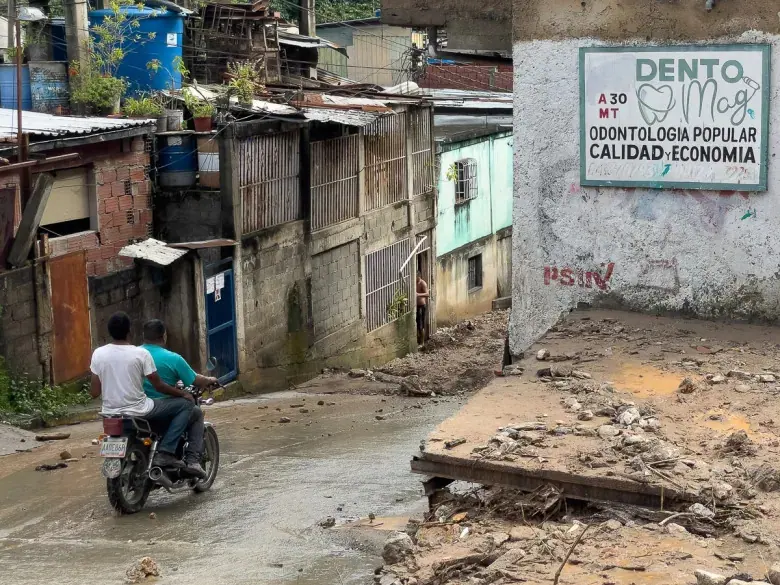
Overcrowding is one of the most visible issues in Petare. In many areas, improvised houses are stacked on top of one another on the hills around the city. This not only puts residents at risk but also makes access to basic services and getting around the barrio more difficult.
💡Fun fact: Petare is divided into several zones and sectors, some of which, like La Dolorita and José Félix Ribas, are known for their high population density and urban complexity.
Infrastructure and basic services
One of Petare's biggest challenges is the lack of adequate infrastructure. Although the barrio has kept expanding, investment in basic infrastructure has been insufficient. This shows in problems such as drinking water shortages, inefficient garbage collection and the lack of a proper sewage system in many areas.
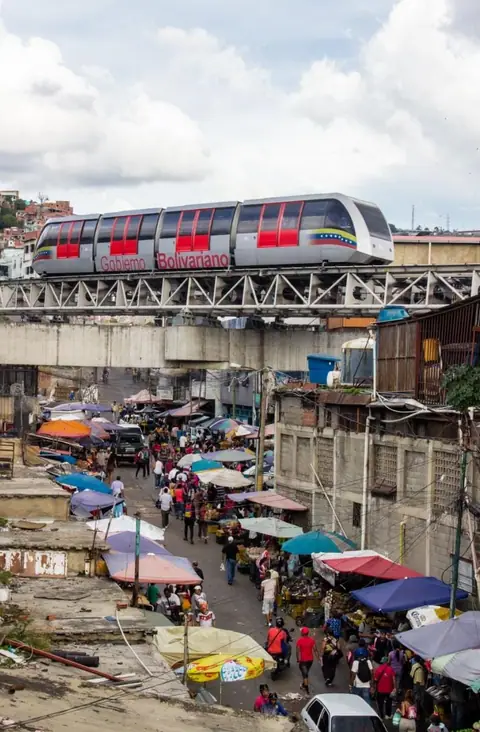
Public transport is another critical aspect of urban development in Petare. Although the barrio is connected to the rest of Caracas by the Caracas Metro and a bus network, traffic congestion and poor road planning make getting around Petare a daily challenge for residents. At rush hour, traffic can be practically unmanageable, and many streets are unpaved or too narrow for today's traffic volume.
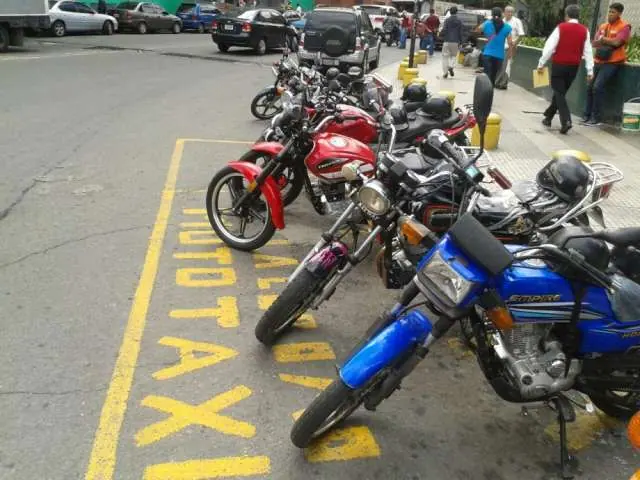
💡Fun fact: Despite mobility problems, Petare has a motorcycle taxi system, a popular alternative among residents for getting around the most congested or inaccessible areas of the barrio.
Insecurity and social challenges
Insecurity is another major problem in Petare. The barrio has been sadly notorious for its high crime rate, partly due to a lack of economic opportunities and the presence of criminal gangs. Poverty and social exclusion have fueled a cycle of violence that affects both residents and the outside perception of Petare.
However, the community has responded with many self-organized initiatives and social projects to improve quality of life in Petare. NGOs, community collectives and local leaders have worked together to offer educational, health and cultural programs that give young people alternatives and strengthen the social fabric.
💡Fun fact: In some areas of Petare, residents themselves have organized community safety committees to protect their neighbors and work with local authorities to reduce crime.
Opportunities for transformation and urban renewal
Despite the many challenges, Petare is also a place of opportunity. In recent years, several initiatives have emerged to transform the barrio and improve living conditions. These include projects to improve infrastructure, create public spaces and rehabilitate housing.
Social architecture has also gained importance in Petare, with projects that seek not only to build but also to involve the community in designing and planning its spaces. Examples include community parks and cultural centers built with residents' active participation, which strengthens the sense of belonging and social cohesion.
💡Fun fact: Music education programs such as those of Venezuela's National System of Youth and Children's Orchestras and Choirs (El Sistema) offer children and young people from barrios like Petare an alternative to violence and a space to develop their talent.
Summary
Urban development in Petare is a complex process that reflects both the challenges and the opportunities of a growing community. While Petare faces significant problems with infrastructure, security and services, it is also a place where residents' resilience and creativity have given rise to innovative projects to improve their surroundings. With a focus on urban renewal and community participation, Petare has the potential to become a model of sustainable urban development in Caracas.
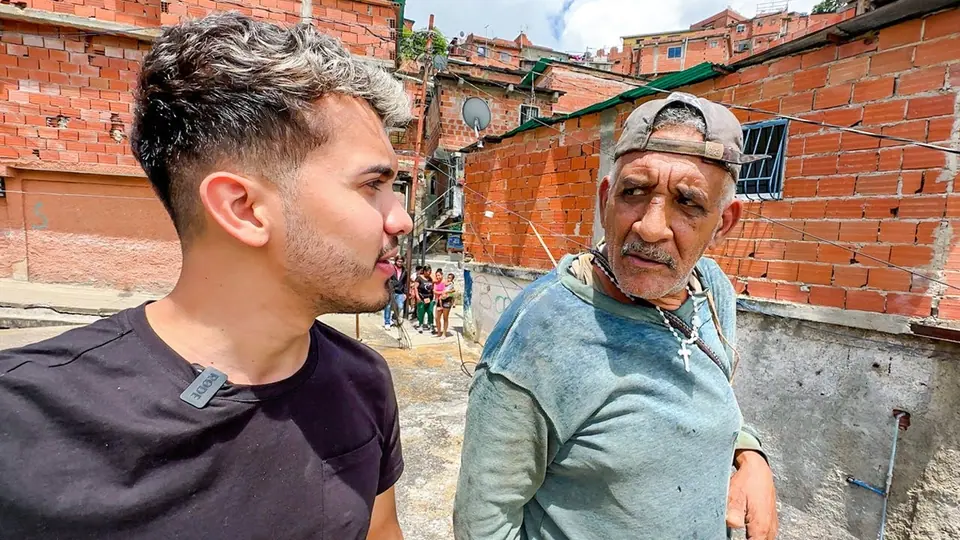
Related video: To better understand urban development challenges and initiatives in Petare, we recommend this video: