The Impact of COVID-19 in Petare: Adaptation and Resilience
How the pandemic affected Petare and how its community responded with solidarity and adaptation.

In this article 6
COVID-19 has left a deep mark on communities around the world, and Petare has been no exception. This barrio, known for its dense population and socioeconomic challenges, faced the pandemic with a combination of hardship and resilience. Despite the serious impact on health, the economy and daily life, the Petare community has shown a remarkable capacity to adapt.
This article explores how COVID-19 affected Petare, the measures taken to deal with the crisis, and how the community has worked to get through these difficult times.
The initial blow: the virus spreads in Petare
When COVID-19 reached Venezuela in March 2020, Petare, like many other working-class barrios, was particularly vulnerable. High population density, precarious health services and economic hardship made the spread of the virus hard to control.
Vulnerability factors:
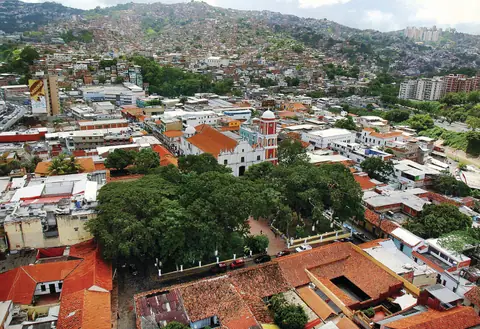
- Population density: Petare is one of the most densely populated barrios in Latin America, which makes social distancing difficult to implement effectively. In many cases, several families live in small spaces, increasing the risk of infection.
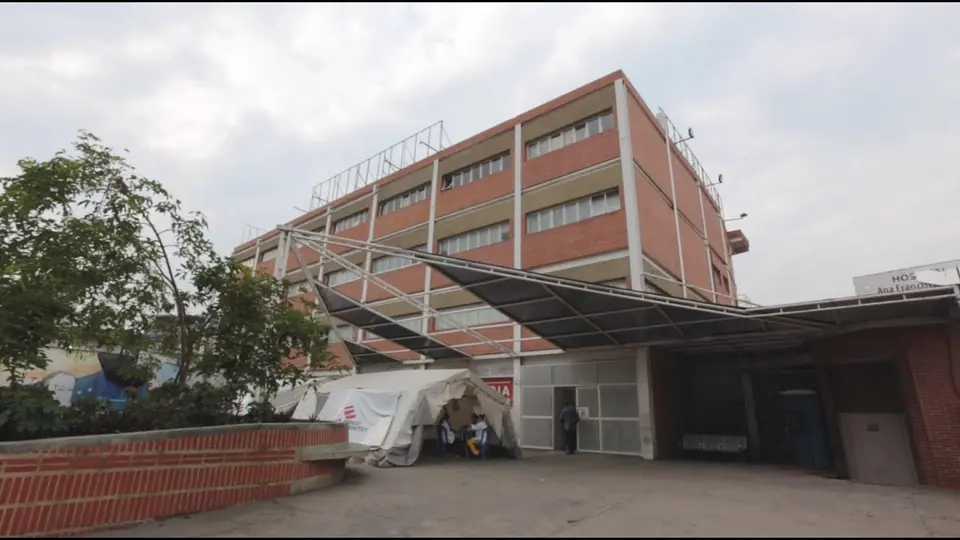
- Limited access to health services: Petare's health infrastructure was already under pressure before the pandemic. With COVID-19, demand for medical care soared, exceeding the capacity of Dr. Domingo Luciani Hospital and other local health centers.
- Socioeconomic conditions: The informal economy, a large part of Petare residents' income, was hit hard by lockdown measures. Lost income left many families food insecure and limited their ability to buy hygiene products and medicine.
Context: During the first months of the pandemic, Petare's vulnerable conditions made it especially hard to control the spread of the virus compared with less densely populated areas.
Initial response and measures taken
As the pandemic spread, both the authorities and the Petare community began taking steps to mitigate the virus's impact. These ranged from sanitation operations to awareness campaigns and the adaptation of essential services.
1. Sanitation and hygiene operations:
- Disinfecting public spaces: The government and local organizations carried out disinfection campaigns in markets, streets and common areas to reduce the spread of the virus. However, the frequency and coverage of these operations were limited by a lack of resources.
- Hand-washing stations: Hand-washing stations were installed in markets and squares to improve residents' hygiene practices.
2. Awareness campaigns:
- Community education: NGOs and community leaders launched COVID-19 education campaigns, using megaphones, flyers and social media to spread information about wearing masks, washing hands and social distancing.
- Solidarity networks: The community quickly organized support networks that helped distribute food, medicine and hygiene products to the families hardest hit by the crisis.
💡Fun fact: Despite the difficulties, NGO-led awareness campaigns achieved widespread mask use among Petare's population during the first months of the pandemic.
Impact on the economy and work
COVID-19 worsened Petare's already difficult economic conditions. Mobility restrictions and lockdowns hit the informal economy hard, and it accounts for a large share of residents' income.
1. Job losses and lower income:
- Informal economy: Many Petare residents depend on informal work such as street vending, domestic service and transport. Lockdown measures interrupted these jobs, leaving many families without income.
- Food insecurity: Lost income led to a significant rise in food insecurity, and a considerable share of Petare's families struggled to get basic food during the peaks of the pandemic.
2. Community response:
- Community kitchens: In response to the food crisis, ollas comunitarias (community cooking pots) emerged, where neighbors cooked and shared food with the families most in need. Largely led by women, these initiatives became a lifeline for many people during the hardest months of the pandemic.
- NGO support: Local and international NGOs also played a crucial role, providing food supplies, hygiene kits and psychological support to Petare residents.
💡Fun fact: Alimenta la Solidaridad, one of the country's most active NGOs during the pandemic (with soup kitchens in several Venezuelan states, including Petare), adapted its logistics to take meals directly to homes when social distancing prevented its community kitchens from operating normally.
Impact on mental health
Besides the physical effects of the virus, COVID-19 had a significant impact on the mental health of Petare's residents. Lockdown, the loss of loved ones and economic uncertainty led to higher levels of stress, anxiety and depression.
1. Stress and anxiety:
- Emotional crisis: Uncertainty and fear of infection, together with the impossibility of social distancing in crowded homes, contributed to rising anxiety among residents.
- Loss of loved ones: Grief over family members and friends lost to COVID-19, made worse by restrictions on funeral rites, has had a lasting impact on the community's mental health.
2. Psychological support:
- Community psychological care: NGOs and groups of volunteer psychologists set up helplines and online psychological support services for those who needed them.
- Listening spaces: Listening spaces were created at community centers, where residents could talk about their fears and worries and receive emotional support.
Context: Various sources reported a notable rise in anxiety levels and in demand for mental health services among Petare residents during the pandemic.
Adaptation and resilience: the community's response
Despite the challenges, the Petare community has shown remarkable resilience. Residents' ability to adapt, combined with the work of NGOs, collectives and solidarity networks, was key to mitigating the most devastating impacts of the pandemic.
1. Innovation and creativity:
- Digital economy: With in-person trade collapsing, some Petare entrepreneurs turned to digital platforms to sell their products and services. Messaging apps and social media allowed many small businesses to keep operating.
- Distance learning: With schools closed, teachers and local NGOs quickly adapted to offer distance learning. WhatsApp groups and other digital tools were used to make sure Petare's children kept learning despite technological limitations.
2. Solidarity and mutual support:
- Neighborhood support networks: Petare residents showed a strong sense of community by organizing mutual support networks. These networks distributed food, medicine and hygiene products and also provided emotional support to affected families.
- Volunteering: Many young people from Petare volunteered to help distribute supplies and run awareness campaigns and community initiatives in response to COVID-19.
💡Fun fact: The community's response to the pandemic was so effective that some of the support programs started during COVID-19 are still running, adapted to the population's new post-pandemic needs.
Summary
The impact of COVID-19 on Petare has been deep and many-sided, affecting residents' health, economy and daily life. The community's response, however, has been equally significant. Through solidarity, innovation and working together, Petare's residents have shown extraordinary resilience in the face of adversity.
Although challenges remain, the experience of COVID-19 has strengthened the barrio's social fabric and left important lessons about the value of unity and cooperation in overcoming shared challenges. As Petare continues adapting to post-pandemic realities, the community has shown that, even in the hardest times, resilience and solidarity can make a difference.
Related video: To learn more about how the Petare community faced the COVID-19 pandemic, we recommend this video: