Francisco Rodríguez Rivas: The Visual Chronicler
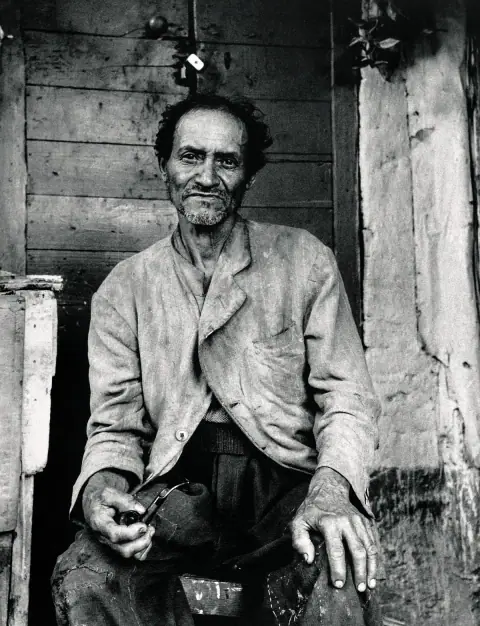
Meet Francisco Rodríguez Rivas, the painter who portrays old Petare in watercolors, and his bond with Bárbaro Rivas.
In this article 6
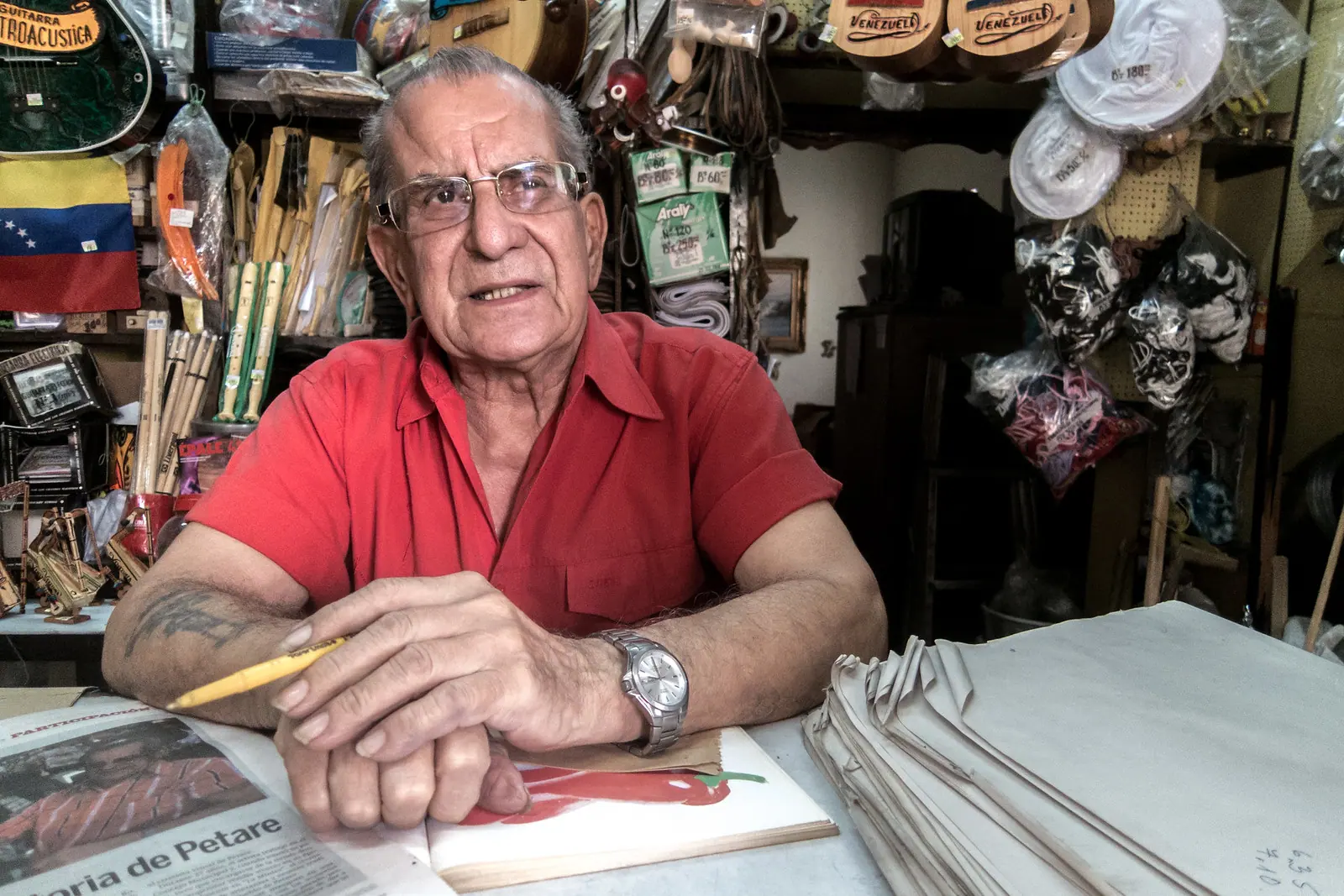
Francisco Rodríguez Rivas is an outstanding artist and a key figure in preserving the historical memory of his hometown. His love of drawing from an early age led to a successful career in public service, where he designed the coat of arms of the Sucre Municipality. After retiring, Rodríguez Rivas devoted himself to capturing in watercolors the Petare of his childhood, a landscape that has changed dramatically over time.
In this article we explore his life, his connection with other artists such as Bárbaro Rivas and his legacy as a painter and visual chronicler of Petare.
Francisco Rodríguez Rivas: life and training
Francisco Rodríguez Rivas was born in Petare on 21 August 1936. He grew up between Petare and Chacao, where he went to primary and secondary school. From a very young age he showed great skill and enthusiasm for drawing, which shaped his future training. Over the years Rodríguez Rivas specialized in many areas of drafting, including cartography and architectural, oil industry, topographic, mechanical and artistic drawing.
Career and public service
Between 1957 and 1981, Francisco Rodríguez Rivas worked at the Municipal Council of the Sucre District, holding several posts. The most important was Head of the Drawing Department at the Municipal Land Registry, where he worked for 14 years. One of his most notable achievements was creating the coat of arms of the Sucre District, which is still the emblem of the Sucre Municipality today. His career was recognized several times with public service awards.
The family business and his bond with Bárbaro Rivas
After retiring in 1981, Francisco Rodríguez Rivas ran the family general store, "La Minita", with his sister Amelia. Part of Petare's tradition, the shop sold typical items such as cuatros, maracas, drums, wicker baskets and wooden canes for kites. Notably, Bárbaro Rivas, the renowned naïve painter, worked at "La Minita" as a delivery man before his talent was discovered by art critic Francisco Da Antonio.

As well as being a close friend of Bárbaro Rivas, Rodríguez Rivas bought several of his works to help him financially. He also collaborated on one of his boards, Capilla de El Calvario, drawing the perspective of Calle Guanche. When Bárbaro Rivas died in 1967 at the Pérez de León Hospital, Rodríguez Rivas was at his bedside, together with Francisco Da Antonio.
Taking up painting
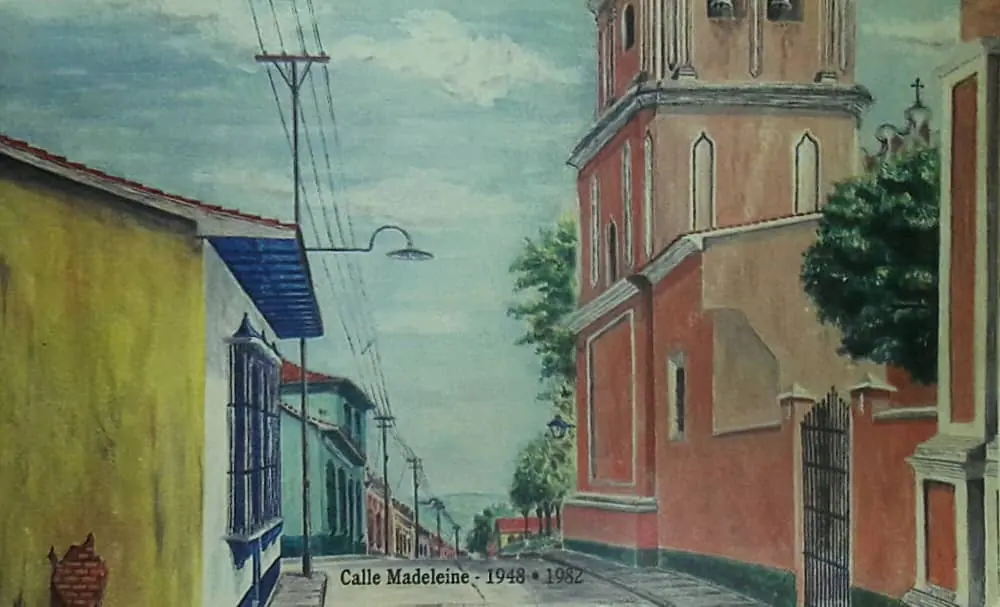
In 1982, Francisco Rodríguez Rivas began his career as a painter, inspired by his love for Petare and his concern about the drastic changes his hometown's landscape had undergone since the mid-20th century. His work focuses on recreating, in watercolors, the streets and houses of Petare he knew in his youth, many of which have disappeared. Drawing on his memories and old photographs, Rodríguez Rivas seeks to preserve Petare's historical memory for future generations.

Exhibitions and legacy
Between December 1997 and April 1998, Francisco Rodríguez Rivas held a solo exhibition called "Petare at the Gates of Time", showing fifty-three watercolors at the Petare Museum of Folk Art. These works bear witness to Petare's past, an effort to immortalize landscapes that were once at the heart of the town.
Today Francisco Rodríguez Rivas is one of Petare's most beloved and respected figures, not only for his art but also for his commitment to preserving his town's history.
Summary
With his dedication to art and his passion for preserving the memory of Petare, Francisco Rodríguez Rivas has left a lasting legacy in his community. His work is a visual testimony of a Petare that no longer exists but lives on in his watercolors, capturing the essence of a bygone era for generations to come.