Getting Around Petare: A Complete Transport Guide
How to get around Petare: the metro, buses, motorcycle taxis and the barrio's other transport options.

In this article 6
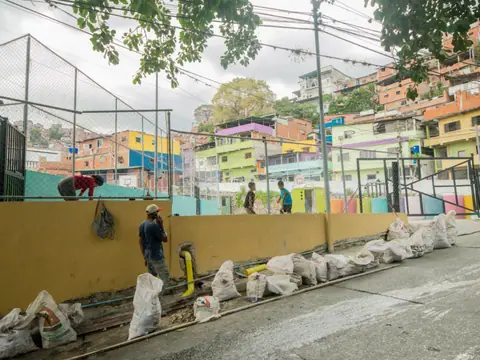
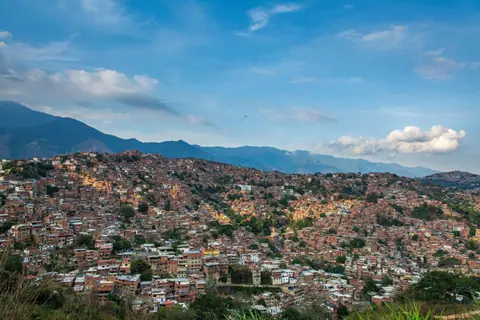
Known as one of the largest and most densely populated barrios in Caracas, Petare is a place where transport plays a crucial role in residents' daily lives. With urban infrastructure under constant strain, getting around Petare can be complicated — but also fascinating.
In this article we offer a complete guide to the transport options in Petare, from traditional methods to the newer solutions introduced in recent years.
The Caracas Metro: the backbone of public transport
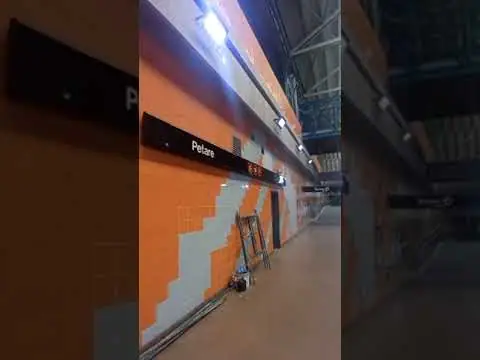
The Caracas Metro is the backbone of the capital's transport system, and Petare is no exception. Line 1, the oldest and busiest line in the system, connects Petare with downtown Caracas, making the daily commute easier for thousands of people. Petare station is one of the busiest, and its importance lies in being the gateway to one of the city's most populous areas.
The metro is a fast and cheap option for Petare residents, although it suffers from rush-hour congestion. The lack of maintenance and deterioration of facilities have also been a constant problem, affecting the efficiency of the service.
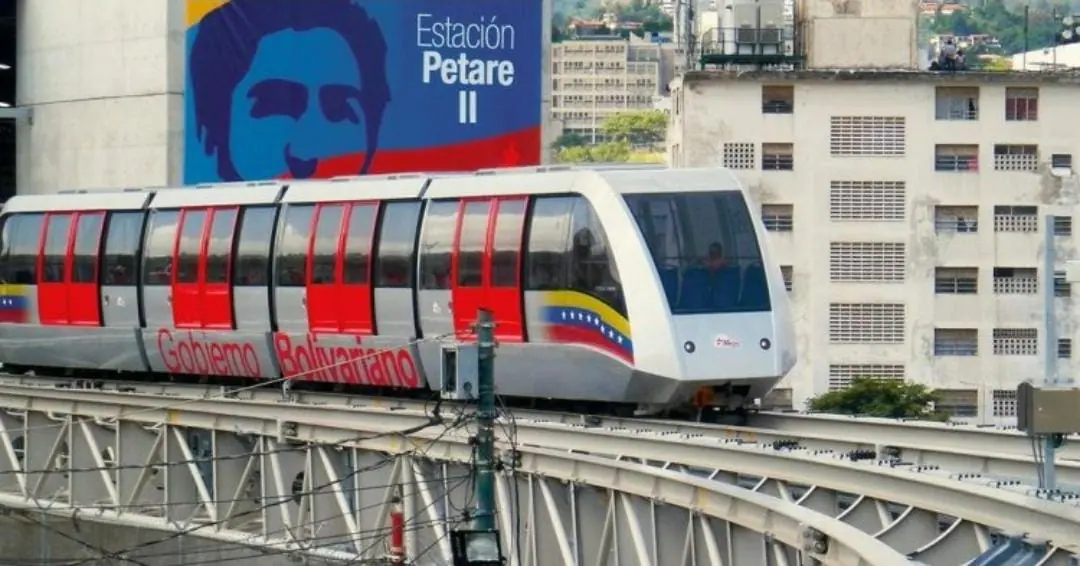
💡Fun fact: Petare station was inaugurated in 1989 as part of the eastern extension of the Caracas Metro.
Buses and vans: traditional transport
Buses and vans are another cornerstone of transport in Petare. These vehicles, known locally as "por puestos" (shared fixed-route taxis and minibuses), run on routes connecting Petare with the rest of Caracas and with the barrio's most remote areas. Although they are affordable and everywhere, they have significant drawbacks such as lack of regulation, poorly maintained vehicles and fares that vary with demand and the supply of fuel.
Buses are often packed at rush hour and the ride can be uncomfortable, but they remain the preferred option for many because of their flexibility in routes and schedules.
💡Fun fact: Despite competition from newer means of transport, buses and vans are still among the most used options in Petare, especially to reach areas the metro doesn't serve.
Motorcycle taxis: fast and adaptable
In response to traffic congestion and difficult street conditions in parts of Petare, mototaxis (motorcycle taxis) have emerged as a fast and effective solution. These two-wheelers are ideal for getting around the barrio's narrow, steep streets, and their agility lets them weave through traffic with ease.
Mototaxis are especially popular in areas that traditional public transport can't easily reach. Although this form of transport is not formally regulated, residents widely accept it as a practical option for short and urgent trips.
💡Fun fact: Petare's mototaxis don't just carry passengers — they often work as a fast courier service, delivering documents, parcels and other errands within the barrio.
Informal transport: "carritos" and "piratas"
Informal transport, known as "carritos por puesto" or simply "piratas" (pirate cabs), is another common option in Petare. These private vehicles operate without fixed routes and often without a license, but they are widely used because they are fast and can reach more specific destinations within the barrio.
However, using unregulated transport can be risky because of safety concerns and the risk of overcharging. Even so, it remains a viable alternative for many residents, especially at times when formal public transport is scarce.
💡Fun fact: "Carritos por puesto" usually charge more than buses and vans, but their speed and availability make them attractive for anyone who needs to get somewhere quickly.
Sustainable mobility initiatives
In recent years, several initiatives have been launched to improve mobility in Petare, focusing on sustainable solutions and better infrastructure. One of these projects is the creation of urban cycling routes, although bike use in Petare is still limited by the lack of suitable infrastructure and the barrio's challenging terrain.
Another important initiative has been the promotion of ride-sharing through mobile apps, which, although not yet widely adopted in Petare, is gaining ground among young people and those with access to technology.
💡Fun fact: Eco-friendly transport routes, although at an early stage, are part of a broader plan to reduce the carbon footprint of densely populated urban areas like Petare.
Summary
Transport in Petare reflects the challenges and resilience of a community that has learned to adapt to daily difficulties. From the metro to mototaxis and informal transport, each means of transport has its own place in the barrio's complex mobility system. With emerging initiatives and a focus on sustainability, Petare continues to evolve, seeking to improve residents' quality of life through more efficient and accessible transport.
Related video: To see transport in Petare in detail, we recommend this video: