Social Media in the Life of Petare
How social media has transformed communication and community organizing in Petare.
In this article 5
Over the last decade, social media has transformed the way communities interact, get informed and organize. Petare, an emblematic barrio of Caracas, has been no exception. Social media has gone from being a mere communication channel to an essential tool in residents' daily lives. From spreading information to organizing community activities, the impact of social media in Petare is deep and many-sided.
This article explores how social media has influenced life in Petare, highlighting its role in communication, social organization and community empowerment.
Communication and spreading information
Social media, especially platforms like Facebook, Instagram, X (Twitter) and WhatsApp, has become Petare residents' main source of information. In a context where access to traditional media can be limited, these platforms offer a fast, accessible way to keep up with local events and news.
1. Real-time information:
- Local news: Through Facebook groups and pages, Petare residents can access local news ranging from public service updates to safety alerts. These platforms allow information to spread quickly, which is crucial in emergencies or crises.
- Citizen journalism: X (Twitter) and WhatsApp have encouraged citizen journalism, where residents report incidents, events or problems in real time. These reports are especially useful in a place like Petare, where mobility and media coverage can be limited.
💡Fun fact: During the COVID-19 pandemic lockdown, WhatsApp became the main tool for organizing community groups and sharing information about health measures and aid distribution.
Social organization and mobilization
Social media has also played a crucial role in social organization and mobilization in Petare. From coordinating community events to promoting solidarity campaigns, these platforms have allowed residents to connect and collaborate in ways that were not possible before.
1. Community mobilization:
- Solidarity campaigns: During crises such as the pandemic or natural disasters, social media has been used to organize the collection and distribution of food, medicine and other resources. Neighborhood groups coordinate through Facebook and WhatsApp to make sure help reaches those who need it most.
- Protests and activism: Social platforms have also been key to organizing protests and mobilizations in Petare. Through X (Twitter) and Facebook, residents can plan and share details of demonstrations or activism, increasing community participation.
2. Education and training:
- Online courses and workshops: In recent years, especially when in-person education was restricted, there has been an increase in online courses and workshops aimed at Petare residents. Many of these learning opportunities, promoted through social media, have allowed residents to gain new skills and knowledge from home.
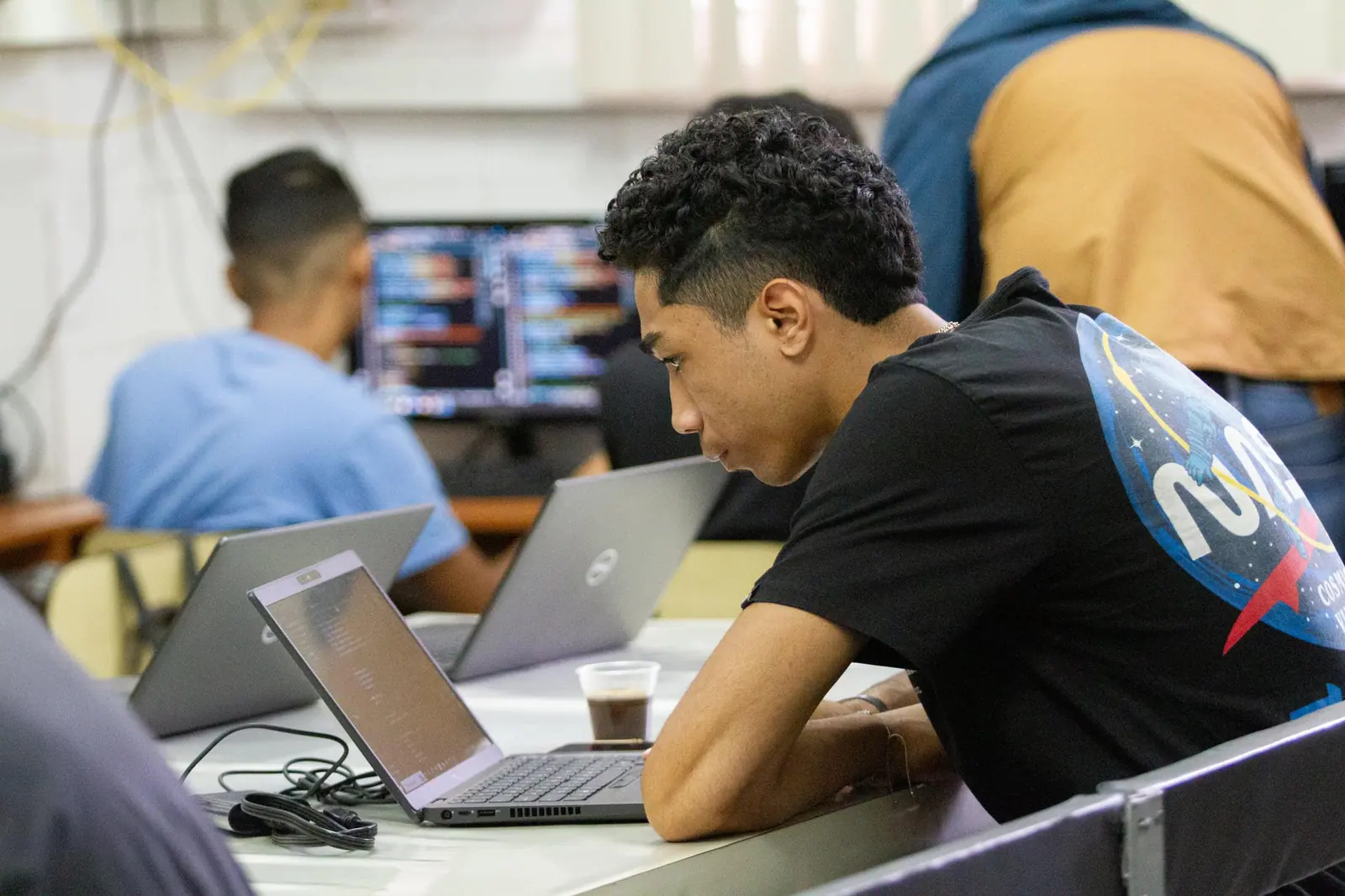
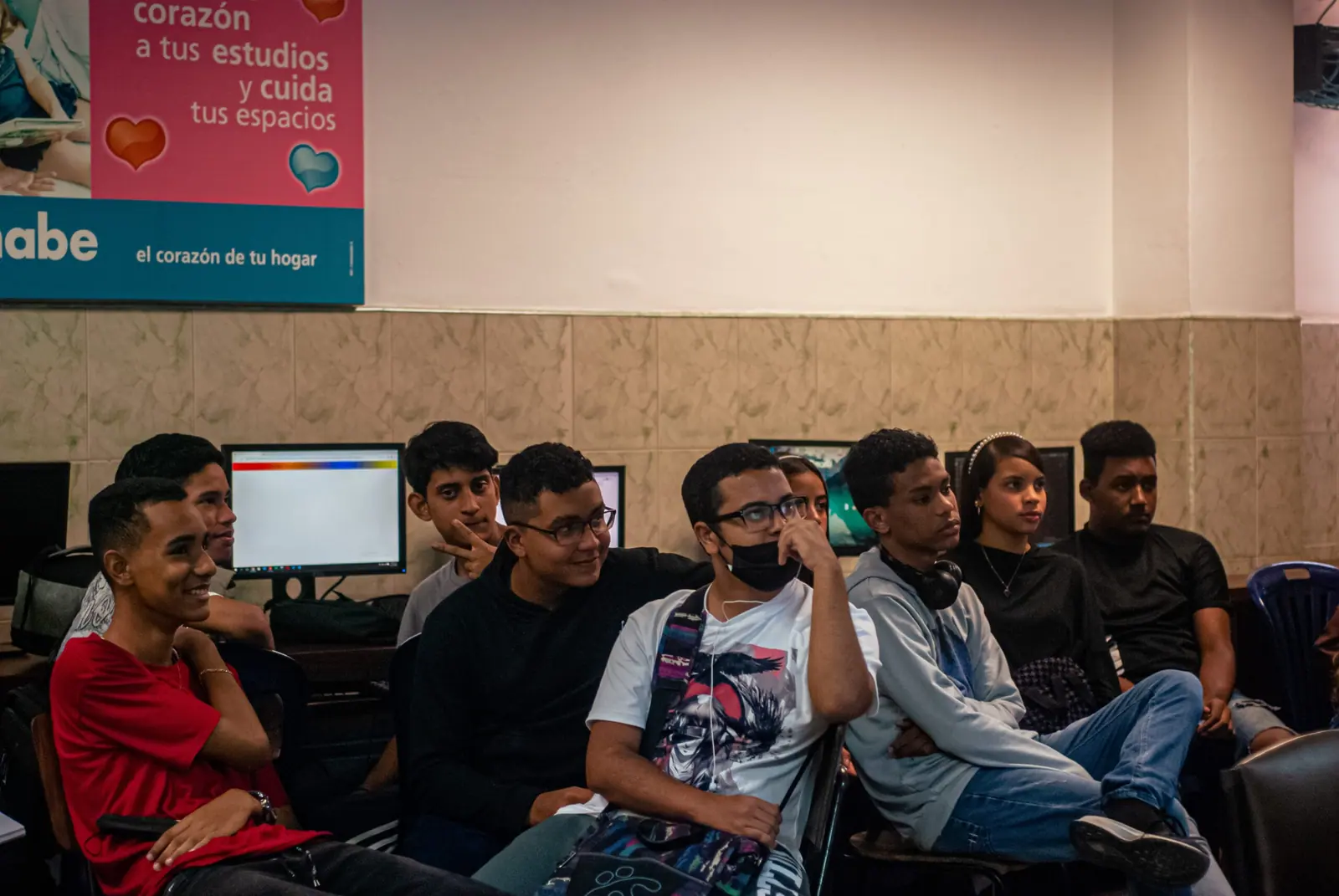
💡Fun fact: Initiatives like Espacio Educa, born during the pandemic and founded by a group of university students, offer free web programming workshops to teenagers from Petare and Campo Rico, and already have more than 130 graduates who have found jobs in tech.
Empowerment and a community voice
Social media has given Petare residents a powerful voice in an environment where they often feel marginalized or ignored by traditional media and institutions. These platforms let the community tell its own stories, denounce injustices and show the world a fuller, more nuanced picture of the barrio.
1. Stories of resilience:
- Positive narratives: Through Instagram and Facebook, many Petare residents share stories of resilience and success that challenge the negative stereotypes often associated with the barrio. These narratives help change outside perceptions of Petare and strengthen community pride.
- Community blogs and vlogs: Some young people from Petare have started using YouTube and blogs to document life in the barrio, covering both the challenges and the joys of living there. This content offers an insider's perspective that is often missing from traditional reporting.
2. Reporting and digital activism:
- Exposing injustices: Social media has allowed Petare residents to report abuse, corruption and security problems quickly and publicly. These reports, often amplified by influencers and activists, have increased the visibility of the barrio's problems and, in some cases, prompted responses from the authorities.
- Awareness campaigns: Beyond reporting, social platforms are used for awareness campaigns on issues such as gender violence, poverty and human rights, raising awareness both inside and outside the community.
💡Fun fact: During the pandemic, several resilience campaigns launched from Petare spread on social media, highlighting stories of struggle and solidarity in the barrio and drawing the attention of people and institutions nationally and internationally.
Challenges and opportunities of social media in Petare
Despite the many benefits, social media use in Petare is not without challenges. Misinformation, lack of access to suitable technology and online safety problems are some of the concerns users face.
1. Misinformation:
- Spread of fake news: As in many other parts of the world, social media can be a breeding ground for misinformation. The spread of false or exaggerated news can cause panic or distrust in the community.
- Digital literacy: To fight misinformation, it is crucial that Petare residents receive digital education that helps them identify reliable sources and verify information before sharing it.
2. Access to technology:
- Digital divide: Although social media use is widespread in Petare, not all residents have access to devices or a good internet connection. This limits the reach of initiatives and leaves some parts of the population outside the digital ecosystem.
- Digital inclusion projects: Some NGOs and local collectives are working to close the digital divide, offering internet access at community centers and workshops on using social media and technology.
💡Fun fact: In Petare, some collectives have set up "community wifi" projects that let residents connect to the internet for free in public areas, making it easier to access social media and information.
Conclusion
Social media has transformed life in Petare, offering new forms of communication, organization and empowerment. Through these platforms, the barrio's residents have been able to connect, mobilize and tell their own stories, facing the challenges of daily life with creativity and resilience. As technology keeps evolving, the role of social media in Petare is likely to keep growing, offering new opportunities for community development and civic participation.


