What Is It Like to Live in Petare? Residents' Stories
What daily life is like in Petare: its challenges, its residents' resilience and its strong sense of community.
In this article 5
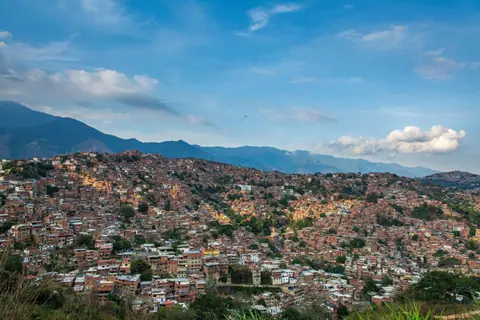
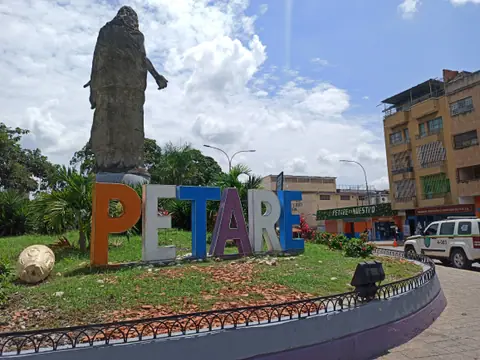
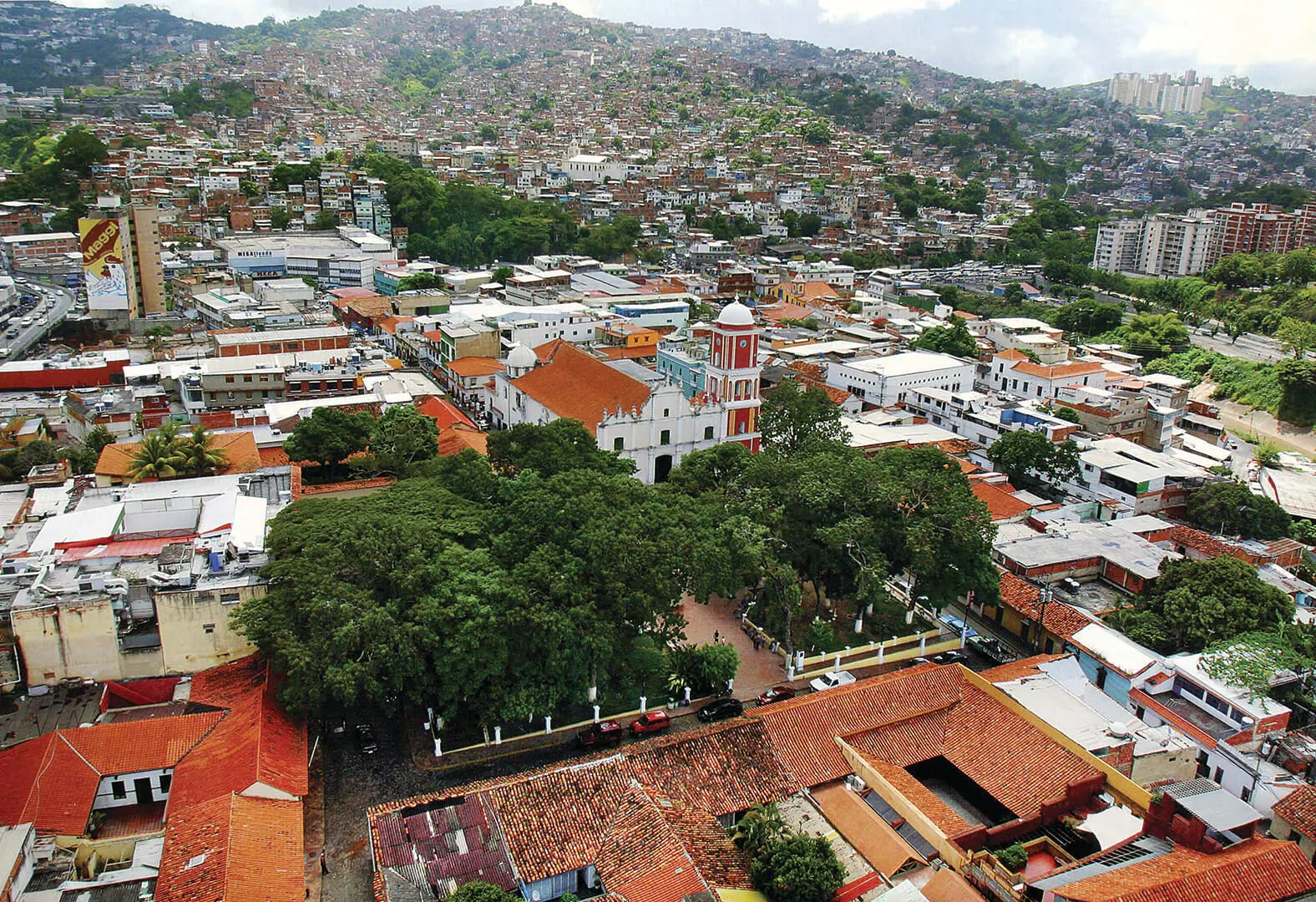
In the east of Caracas lies Petare, known as an emblematic Latin American barrio because of its size and population density. With a rich and complex history, living in Petare is an experience marked both by challenges and by a strong sense of community. Through its residents' stories, we explore what daily life is like in the barrio, focusing on its difficulties, the resilience of its people and the opportunities they find amid adversity.
Day-to-day reality in Petare
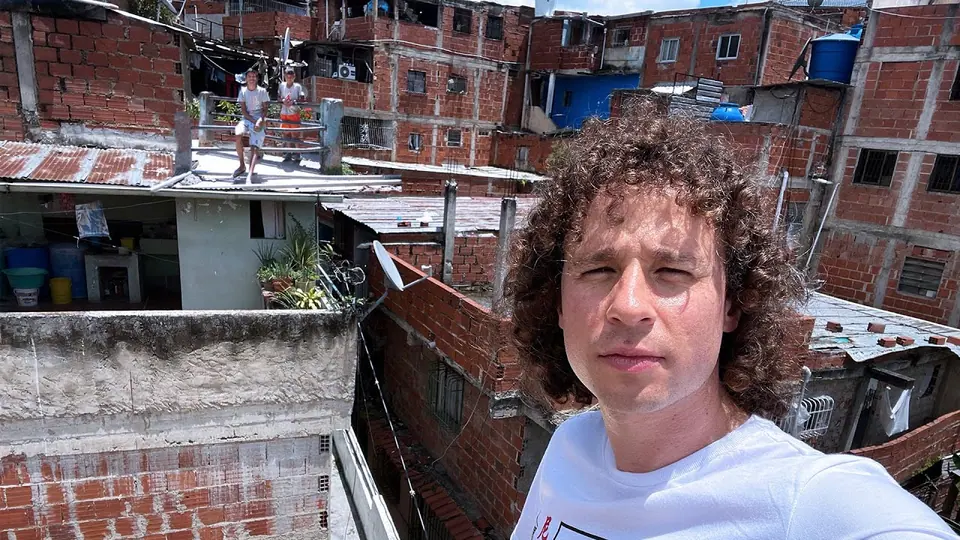
Life in Petare is full of contrasts. On the one hand, residents face significant challenges such as insecurity, a lack of adequate basic services and overcrowding. Infrastructure is precarious in many areas, with poorly paved or unpaved streets and limited access to essential services such as drinking water and electricity.
In areas like José Félix Ribas, water shortages are one of the problems residents mention most: it is common to go days without supply, forcing families to fetch water elsewhere or store it when it arrives.
💡Fun fact: Despite the problems, many residents say what keeps them in Petare is the sense of community and the close relationships they build with their neighbors, who often support each other in hard times.
Insecurity: an ongoing challenge
Insecurity is one of the problems Petare residents mention most. Criminal gangs and violence are daily realities that affect people's lives. Despite the authorities' efforts to improve security, residents generally feel much remains to be done.
In sectors like La Dolorita, many young people avoid going out late and prefer to move around in groups as a precaution. Even so, residents try to lead normal lives without letting fear paralyze them completely.
Context: Petare is still described as one of the areas with the highest crime rates in Caracas, although security efforts in recent years have brought progress in some sectors.
Resilience and community: Petare's strength
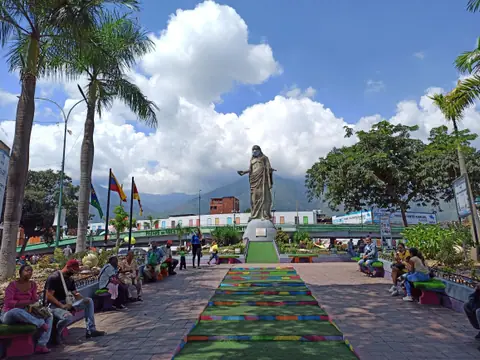
Despite the challenges, the resilience of Petare's residents is remarkable. The community often organizes to face difficulties together, from managing basic services to organizing community activities. NGOs and local collectives play a crucial role here, providing support in areas such as education, health and culture.
Many mothers in the barrio organize to look after the community's children and coordinate after-school activities such as workshops or sports, strengthening ties between neighbors.
💡Fun fact: Some of the most popular community-organized activities are popular markets and cultural fairs, where local products are sold and music and dance are performed, strengthening social ties among residents.
Opportunity and hope amid adversity
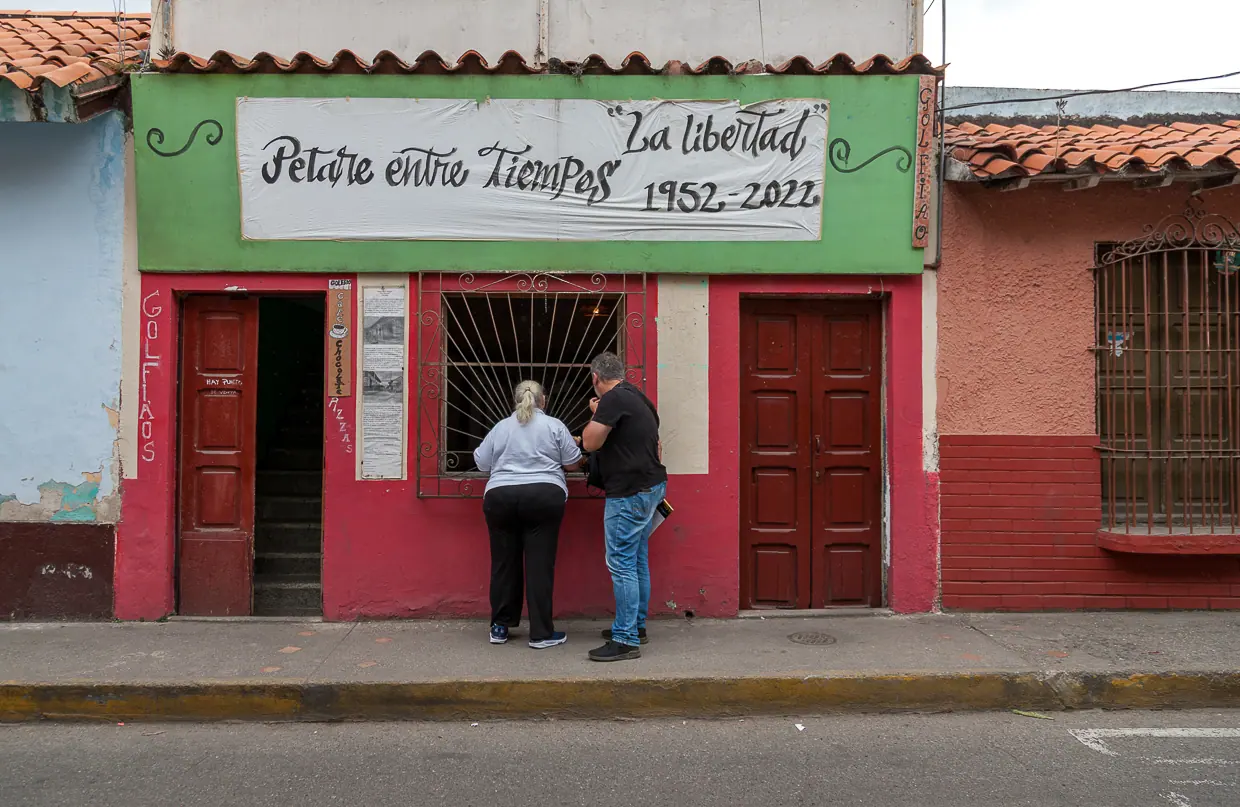
Although life in Petare can be hard, many residents find opportunities to improve their living conditions and those of their community. Initiatives such as vocational training workshops, supported by NGOs, have helped many young people and adults gain new skills that lead to better jobs.
For many residents, completing a technical course supported by local NGOs has been the gateway to a steady job — and a way to show their children that other futures are possible.
Context: Vocational training initiatives run by NGOs in Petare have benefited a considerable number of residents, helping improve their economic prospects.
Summary
Living in Petare is an experience full of challenges, but also of strength, solidarity and hope. Residents' stories make it clear that, although they face significant difficulties, the Petare community stays united and resilient, finding ways to improve its quality of life and build a better future for its children. Life in Petare is a testament to the indomitable spirit of its people, who, despite everything, keep fighting for a safer barrio with more opportunities for all.
Related video: To learn more about life in Petare and hear directly from its residents, we recommend this video: